The Foundation of the Tokenized Future
The concept of tokenization, the representation of real-world assets on a blockchain, is rapidly evolving. While cryptocurrencies pioneered this digital frontier, the current wave is about expanding tokenization to encompass a far broader spectrum of assets, from real estate and stocks to government debt. This expansion, however, is not happening in a vacuum. It relies heavily on a sophisticated and often unseen layer of infrastructure that enables these digital representations to function securely, efficiently, and with increasing integration into traditional financial systems.
The recent developments in the digital asset space highlight this burgeoning need for robust infrastructure. For instance, investments in protocols like Anvil, a crypto collateral protocol, by major players like Founders Fund and Pantera Capital, signal a growing confidence in the underlying technology that facilitates asset-backed digital transactions. Anvil’s focus on making its protocol easier for businesses to integrate underscores the practical demand for infrastructure that bridges the gap between traditional enterprises and the blockchain ecosystem.
This push for integration is not limited to private companies. Governments are also exploring the potential of blockchain technology for sovereign assets. The UK’s initiative to pilot digitally native government bonds, set to use distributed ledger technology and on-chain settlement, is a prime example. This move, expected by the first quarter of 2027, indicates a significant shift towards leveraging blockchain for core financial instruments, requiring infrastructure that can handle the scale and security demands of national debt.
Beyond Cryptocurrencies: Expanding the Asset Universe
The narrative around crypto is shifting from merely creating novel digital assets to building the systems that can accurately price and manage a growing universe of existing assets in tokenized form. This is a critical distinction. It means the focus is moving towards the plumbing – the rails, the settlement layers, the data oracles, and the security protocols – that make tokenization practical and scalable.
Consider the implications for traditional finance. Exchanges like OKX are not just focusing on crypto trading anymore; they are evolving into broader financial technology platforms. Investments from entities like Standard Chartered, Circle, and Ripple, alongside joint ventures, suggest a strategy to encompass tokenized assets and payments. This evolution necessitates infrastructure that can interoperate with existing financial networks while supporting the unique properties of blockchain-based assets.

The tokenization of real-world assets (RWAs) is a key driver of this infrastructure build-out. This includes everything from tokenizing commodities and fine art to intellectual property and, as seen with government bonds, debt instruments. The ability to fractionalize ownership, increase liquidity, and streamline transactions for these traditionally illiquid assets hinges on the development of secure, compliant, and efficient blockchain solutions.
The Role of Collateral Protocols
Protocols like Anvil are at the forefront of building this essential infrastructure. By focusing on collateral management within a decentralized framework, they provide the building blocks for more complex financial products. When businesses can easily integrate these protocols to leverage their assets as collateral in the digital realm, it unlocks new avenues for financing and liquidity. This is particularly relevant for the growing demand for decentralized finance (DeFi) applications that can interact with a wider range of assets.
Central Bank Digital Currencies (CBDCs) and Interoperability
The emergence of CBDCs, such as Russia’s digital ruble which saw significant adoption in its first month, also points to the expanding infrastructure needs. While distinct from decentralized cryptocurrencies, CBDCs represent a government-backed digital form of currency. The exploration by BRICS nations to link their digital currencies for cross-border trade suggests a future where different digital currency systems, potentially built on various forms of distributed ledger technology, will need to interoperate. This requires standards, protocols, and infrastructure that can facilitate seamless cross-border transactions and currency exchange.
Key Infrastructure Components
Several critical components form the backbone of this tokenization revolution:
1. Blockchain Networks and Layer 2 Solutions
The choice of blockchain network (e.g., Ethereum, Solana, Polygon, or newer purpose-built chains) and the adoption of Layer 2 scaling solutions are fundamental. These technologies determine transaction speed, cost, and the overall capacity of the network to handle a high volume of tokenized asset activity. As more assets are tokenized, the demand for efficient and scalable blockchains will only intensify.
2. Smart Contracts and Oracles
Smart contracts are the self-executing agreements that power tokenization. They define the rules for asset ownership, transfer, and management. However, for tokenized real-world assets, smart contracts need reliable access to off-chain data (e.g., asset valuations, market prices, legal statuses). This is where oracles come in – they securely bridge the gap between the blockchain and the real world, feeding essential data to smart contracts.
3. Custody and Security Solutions
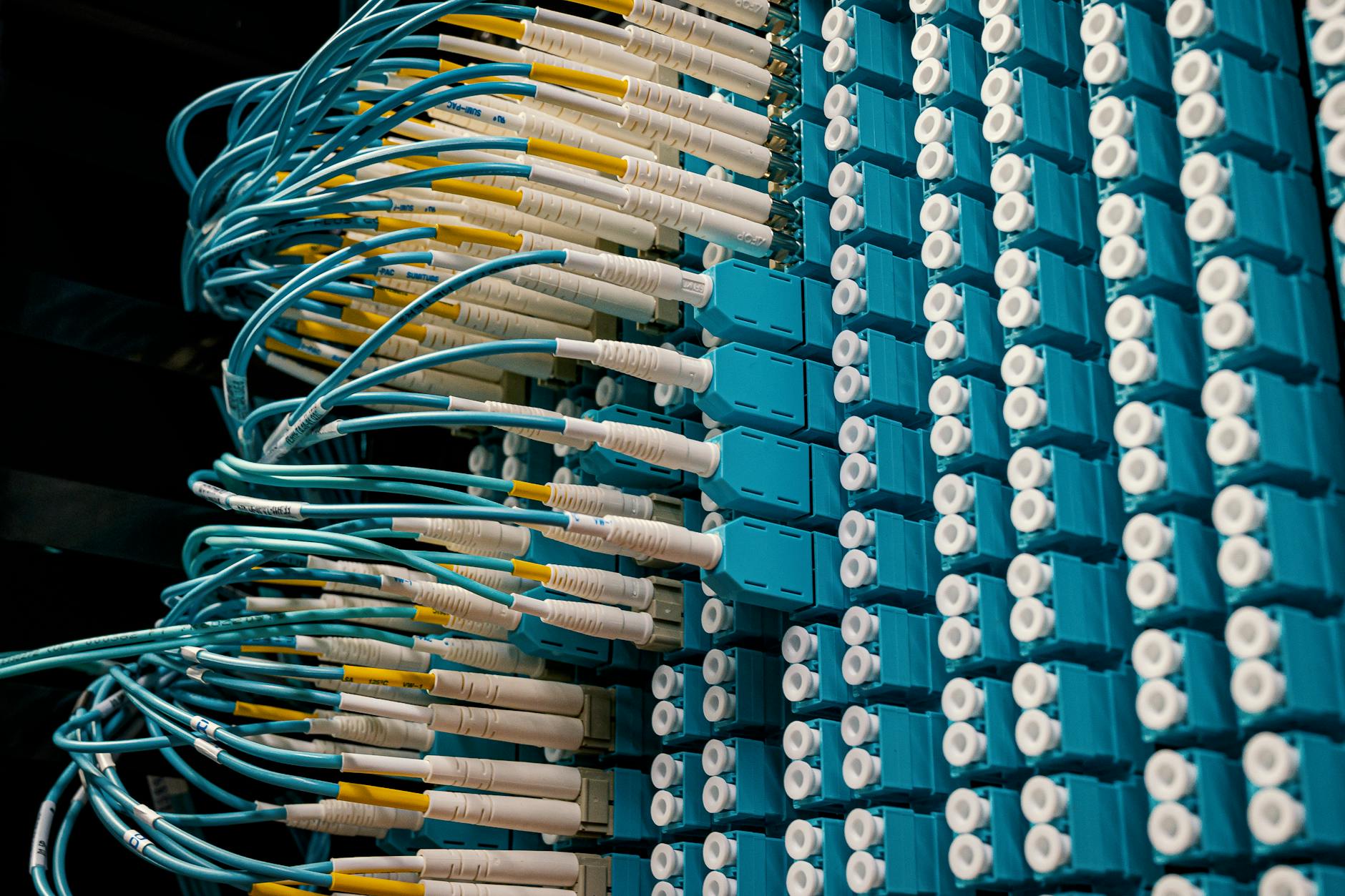
Securely storing and managing digital assets is paramount. This includes both the private keys that control access to tokens and the underlying infrastructure that protects against hacks and fraud. The institutional adoption of crypto has driven significant innovation in custody solutions, which are now being adapted for a broader range of tokenized assets.
4. Interoperability Protocols
As different blockchains and digital asset ecosystems emerge, interoperability becomes crucial. Protocols that allow tokens and data to move seamlessly between different networks are essential for creating a unified digital asset market. This includes enabling communication between traditional financial systems and blockchain platforms.
5. Regulatory Technology (RegTech)
Compliance with existing and evolving regulations is a major hurdle for tokenization, especially for RWAs and institutional adoption. RegTech solutions built on blockchain can help automate compliance processes, manage Know Your Customer (KYC) and Anti-Money Laundering (AML) requirements, and ensure that tokenized assets adhere to legal frameworks.
The Road Ahead
The journey towards widespread tokenization is complex, involving technological innovation, regulatory clarity, and the development of robust financial infrastructure. The recent investments and pilot programs, from private collateral protocols to government-backed digital bonds, demonstrate a clear trend: the future of finance is increasingly digital and tokenized. The focus on infrastructure is not merely about building more blockchains; it’s about creating the interconnected, secure, and efficient ecosystem that will allow the true potential of tokenization to be realized across all asset classes.
This evolution means that the ‘Internet Secrets’ of tomorrow might lie not just in new protocols or cryptocurrencies, but in the sophisticated, often invisible, infrastructure that enables these digital assets to function, interoperate, and integrate seamlessly into the global financial landscape.

Frequently Asked Questions
What is asset tokenization?
Asset tokenization is the process of representing ownership of an asset, whether physical or digital, as a digital token on a blockchain. This allows for easier transfer, fractional ownership, and increased liquidity.
Why is blockchain infrastructure important for tokenization?
Blockchain infrastructure provides the secure, transparent, and efficient foundation needed for tokenization. It enables smart contracts to manage tokens, ensures data integrity, and facilitates transaction settlement, which are crucial for representing and trading assets digitally.
What are some examples of real-world assets being tokenized?
Real-world assets being tokenized include real estate, stocks, bonds, commodities, art, intellectual property, and even government debt. The goal is to bring these traditionally illiquid assets onto blockchain networks for easier management and trading.
How do CBDCs relate to tokenization infrastructure?
Central Bank Digital Currencies (CBDCs) represent a government’s digital currency. While distinct from decentralized tokens, their development and potential interoperability with other digital currencies highlight the growing need for sophisticated digital financial infrastructure that can support various forms of digital value transfer.
Conclusion
We hope this article has been helpful. Feel free to leave a comment below if you have questions.