Unveiling a Deeper Dimension of Crypto Trading
For many, the world of cryptocurrency revolves around a single, often obsessive, question: ‘What’s Bitcoin’s price doing?’ While tracking the direct value of digital assets remains a primary focus, a more nuanced and sophisticated dimension of the crypto market has been quietly gaining traction. This hidden layer, primarily driven by instruments like Bitcoin volatility futures, allows participants to engage with the market in ways that go far beyond simple price speculation. It’s a development that signals a significant maturation of the digital asset landscape, moving closer to the complexity seen in traditional financial markets.
On June 8, 2026, the CME Group, a leading derivatives marketplace, marked a pivotal moment by allowing traders to bet on Bitcoin’s volatility rather than its direct price. This wasn’t merely another Bitcoin product; it was an entirely new avenue for risk management and speculative strategies. Firms like Monarq and DV Chain were among the first to engage with these innovative futures, highlighting a growing appetite for advanced financial tools in the crypto space. For the average investor, understanding these instruments can seem daunting, but grasping their existence and purpose sheds light on the evolving sophistication of the broader crypto ecosystem.
What Exactly Are Bitcoin Volatility Futures?
To truly appreciate Bitcoin volatility futures, it’s essential to first understand volatility itself. In financial terms, volatility refers to the degree of variation of a trading price series over time. High volatility means prices are fluctuating rapidly and dramatically; low volatility means they are relatively stable. Historically, investors in Bitcoin have primarily focused on its price direction – will it go up or down? Bitcoin volatility futures introduce a different metric: they allow traders to speculate on the *magnitude* of these price movements, irrespective of the direction.
Unlike traditional Bitcoin futures, which track the expected future price of Bitcoin, volatility futures are tied to an index that measures the anticipated future volatility of Bitcoin. Think of it like this: if you buy a standard Bitcoin future, you’re essentially saying, ‘I believe Bitcoin’s price will be X at this future date.’ With a Bitcoin volatility future, you’re saying, ‘I believe Bitcoin’s price will move *a lot* (or *very little*) between now and this future date.’ This distinction is crucial and opens up a whole new realm of strategic possibilities for market participants on platforms like the CME.
The Underlying Index: A Measure of Market Expectation
While specific index methodologies can be complex, the core idea is to derive a forward-looking measure of expected volatility from the prices of Bitcoin options. Similar to how the VIX (Volatility Index) works for the S&P 500, these indices aim to capture market sentiment regarding future price turbulence. When traders buy these futures, they are essentially buying a contract whose value increases if the market becomes more volatile than anticipated, and decreases if it becomes less volatile. Conversely, selling these futures means betting on a decrease in future volatility.
Beyond Price Prediction: Why Bet on Volatility?
The introduction of Bitcoin volatility futures isn’t just an arbitrary addition to the financial toolkit; it serves several critical purposes for sophisticated market players. These purposes extend far beyond the simple ‘buy low, sell high’ mentality often associated with crypto trading, reflecting a deeper engagement with market mechanics.
Hedging Against Uncertainty
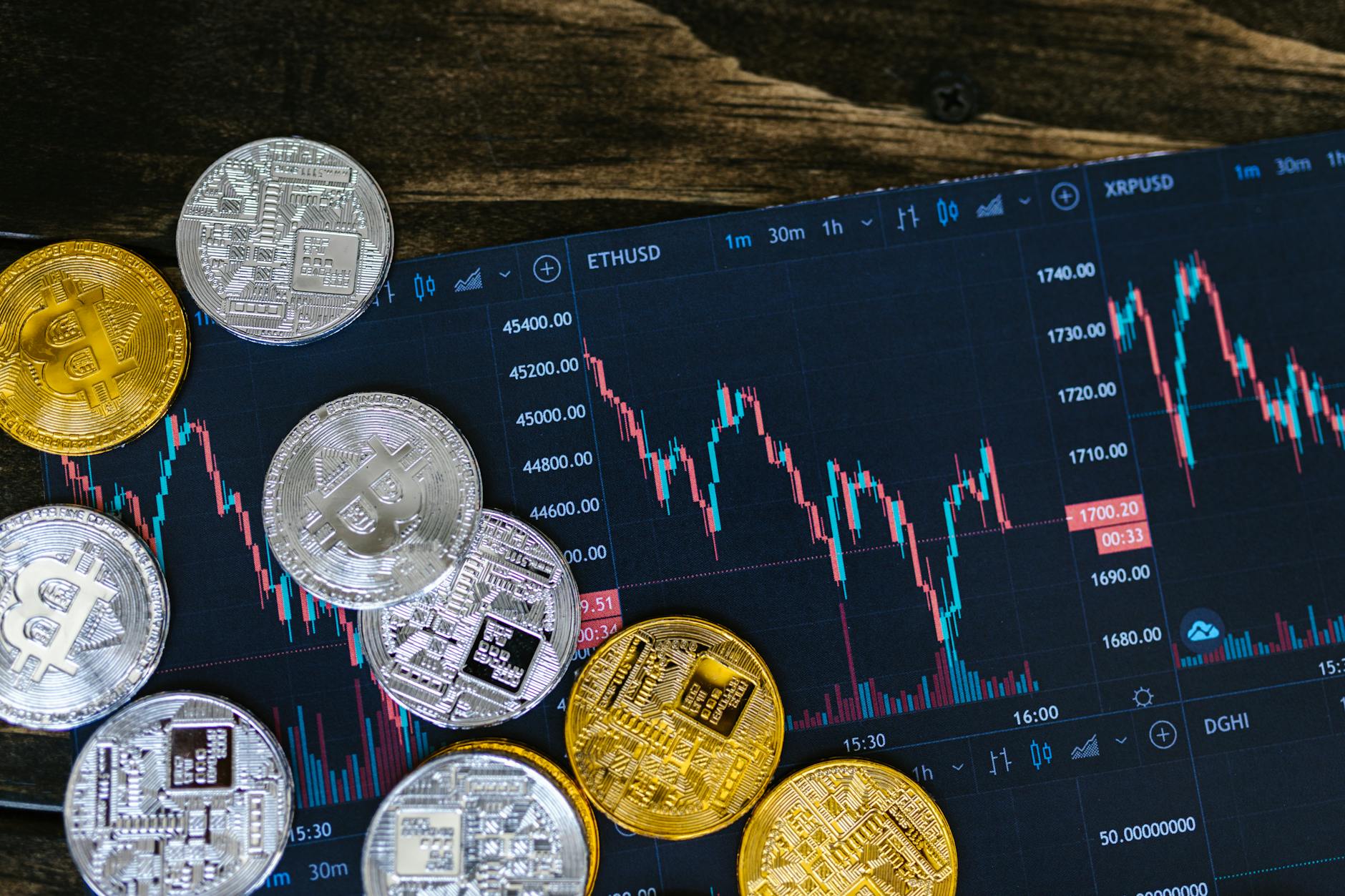
One of the primary uses of volatility futures is for hedging. Imagine you are a long-term holder of a significant amount of Bitcoin. You believe in its long-term value but are concerned about potential short-term price swings that could impact your portfolio’s value or liquidity needs. Instead of selling your Bitcoin, which might incur taxes or disrupt your long-term strategy, you could buy Bitcoin volatility futures. If a major market event causes Bitcoin’s price to crash (a highly volatile movement), the increase in the value of your volatility futures position could partially offset the loss in your underlying Bitcoin holdings. This provides a layer of protection without requiring you to liquidate your core assets.
Speculating on Market Dynamics
Beyond hedging, volatility futures offer a powerful tool for pure speculation on market behavior. A trader might anticipate a major announcement, a regulatory decision, or a technological upgrade (like the proposed Zcash Ironwood upgrade that caused ZEC to bounce on June 8, 2026, showcasing how significant news can trigger volatility) that will cause significant price movement, but they might be unsure of the direction. In such a scenario, buying volatility futures would allow them to profit from the expected choppiness, regardless of whether Bitcoin’s price ultimately goes up or down. Conversely, if a trader expects a period of calm and stability, they could sell volatility futures, profiting if the market remains subdued.
Market Sophistication and Maturation
The very existence of such complex derivatives signifies a crucial step in the maturation of the cryptocurrency market. Traditional financial markets have long relied on a diverse array of derivatives, including volatility products, to manage risk and facilitate complex strategies. The integration of Bitcoin volatility futures on a reputable platform like the CME brings crypto further into alignment with these established financial ecosystems. This evolution can attract more institutional capital and sophisticated participants who require such tools for their risk management frameworks, potentially leading to greater market stability and efficiency in the long run. For those interested in the broader landscape of digital asset development, understanding these instruments is key to grasping the future direction of the market.
How Do Bitcoin Volatility Futures Work (Simplified)?
While the exact mechanics can be intricate, involving complex mathematical models, the core concept of trading Bitcoin volatility futures can be understood through a simplified lens. These futures are essentially contracts that obligate the buyer and seller to transact based on the value of a specific Bitcoin volatility index at a future date.
Let’s consider a hypothetical scenario: Suppose a trader believes that Bitcoin’s price will experience significant turbulence in the next three months due to upcoming economic data releases and regulatory discussions. They might ‘go long’ on Bitcoin volatility futures, meaning they buy contracts betting on an increase in the volatility index. If, over the next three months, Bitcoin’s price indeed exhibits wide swings – perhaps a rapid ascent followed by a sharp correction, or vice versa – the volatility index would likely rise, and their futures contract would increase in value, allowing them to sell it for a profit.
Conversely, if another trader believes the market is entering a period of consolidation and relative calm, perhaps after a major event has passed and sentiment has stabilized, they might ‘go short’ on Bitcoin volatility futures, meaning they sell contracts betting on a decrease in the volatility index. If Bitcoin’s price remains relatively stable with minimal large movements, the volatility index would likely fall, and their short position would become profitable.
It’s important to note that trading these instruments involves leverage and inherent risks, requiring a deep understanding of market dynamics, quantitative analysis, and risk management strategies. They are not designed for casual investors but rather for those with specialized knowledge and resources.
Who Benefits from This New Instrument?
The introduction of Bitcoin volatility futures specifically caters to a particular segment of the market, reflecting the increasing professionalization of digital asset trading.

Institutional Investors and Hedge Funds
Large financial institutions, hedge funds, and asset managers often manage vast portfolios and have complex risk mandates. Bitcoin volatility futures provide them with sophisticated tools to fine-tune their exposure to Bitcoin. They can use these derivatives to hedge existing spot positions, implement arbitrage strategies between different markets, or express nuanced views on market conditions without directly buying or selling Bitcoin itself. This ability to manage risk more precisely is often a prerequisite for institutions considering deeper involvement in the crypto space.
Experienced Traders and Market Makers
Professional traders with extensive experience in derivatives markets, particularly those familiar with volatility products in traditional finance, are natural beneficiaries. These individuals or firms possess the analytical capabilities to interpret volatility signals, anticipate market shifts, and execute complex strategies. Market makers also play a crucial role, providing liquidity to these new markets, ensuring that there are always buyers and sellers, which contributes to overall market efficiency and price discovery.
Quantitative Firms and Algorithmic Strategies
Firms specializing in quantitative trading and algorithmic strategies find volatility futures particularly appealing. These instruments lend themselves well to model-driven trading, where algorithms can identify patterns, predict volatility spikes or troughs, and execute trades at high speeds. The ability to trade on a pure volatility metric, decoupled from price direction, offers new parameters for their sophisticated models.
The Implications for the Broader Crypto Market
The emergence of Bitcoin volatility futures has far-reaching implications that extend beyond the immediate participants, influencing the overall structure and perception of the cryptocurrency market.
Increased Stability and Efficiency
While it might seem counterintuitive, the availability of advanced hedging tools can contribute to greater market stability. When institutions and large investors can hedge their Bitcoin exposure, they are less likely to panic sell during downturns, as their risks are partially mitigated. This can reduce extreme price movements and foster a more orderly market environment. Furthermore, the increased liquidity and diverse strategies brought by derivatives can improve price discovery and market efficiency, making it harder for significant price discrepancies to persist across different venues.
Attracting More Traditional Finance Players
One of the long-term goals for many in the crypto industry is to bridge the gap with traditional finance. Products like Bitcoin volatility futures make the crypto market more accessible and palatable to traditional financial players. These entities often require a full suite of risk management tools before committing significant capital. By providing instruments that mirror those found in established markets, platforms like the CME lower the perceived risk and complexity for institutional entry, potentially leading to greater capital inflows and mainstream adoption of digital assets.
A New Layer of Analysis for All
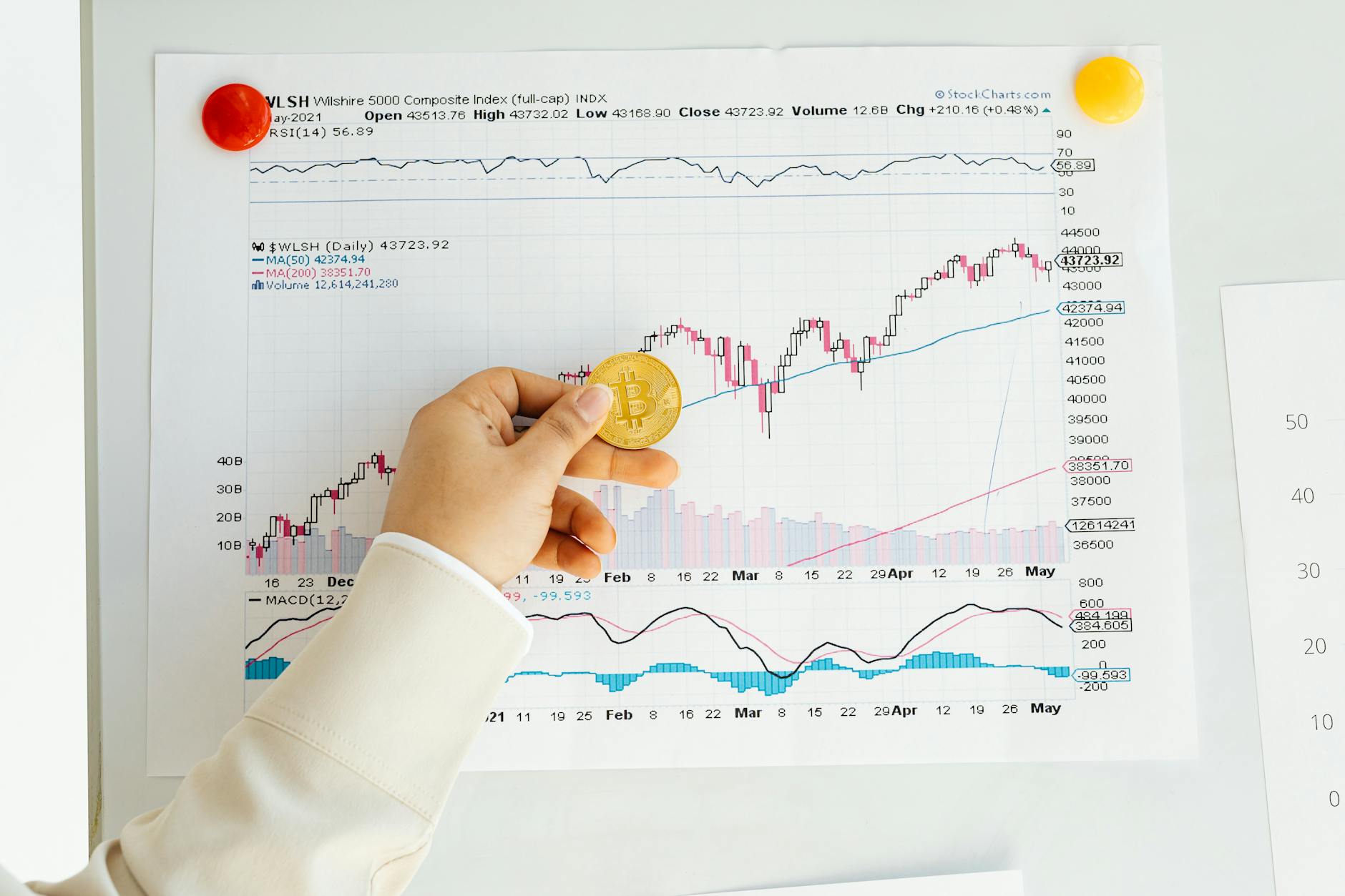
Even for those who do not directly trade volatility futures, their existence introduces a new layer of analysis for understanding the market. Observing trends in the Bitcoin volatility index can provide insights into market sentiment, expected future risk, and potential upcoming price movements. A rising volatility index might signal impending market turbulence, while a falling index could suggest a period of calm. This adds another valuable data point for anyone analyzing Bitcoin’s future trajectory, complementing traditional price and volume indicators. For those looking to deepen their understanding of market forces, exploring these new analytical dimensions is essential.
Important Considerations and Disclaimers
While Bitcoin volatility futures represent a significant step forward in market sophistication, it is crucial to approach them with caution and a clear understanding of the risks involved. These are complex financial instruments that are generally not suitable for novice investors.
- High Complexity: Understanding the underlying volatility models, index calculations, and the various factors that influence volatility requires specialized knowledge.
- Significant Risk: Like all derivatives, volatility futures can involve substantial risk, including the potential for rapid and significant losses, especially when leverage is employed.
- Not Financial Advice: This article is intended for informational purposes only and should not be construed as financial advice. Engaging with any financial instrument, particularly complex derivatives, requires thorough research, professional guidance, and a clear assessment of one’s own risk tolerance and financial situation.
Key Takeaways
- Bitcoin volatility futures allow traders to speculate on the *magnitude* of Bitcoin’s price movements, rather than its direction.
- This new product, offered by platforms like the CME since June 8, 2026, represents a significant step towards crypto market maturation.
- They serve as powerful tools for hedging against market uncertainty and for speculating on periods of high or low market choppiness.
- The introduction of such derivatives attracts institutional investors, experienced traders, and quantitative firms, enhancing market liquidity and efficiency.
- While complex and risky, these futures signify a more sophisticated future for digital asset trading, offering new analytical dimensions for all market participants.
Conclusion
The world of Bitcoin is continually evolving, and while much attention remains fixed on its daily price, the emergence of sophisticated instruments like Bitcoin volatility futures reveals a deeper, more mature financial ecosystem taking shape. These products, now actively traded by firms like Monarq and DV Chain, offer a glimpse into the future of digital asset trading – one where risk management, complex strategies, and institutional participation play an increasingly central role. For anyone seeking to truly understand the ‘hidden facts’ of the crypto market, recognizing the significance of betting on volatility itself, rather than just price, is a crucial step towards grasping the industry’s burgeoning sophistication. As the market continues to develop, we can expect even more innovative financial products to emerge, further blurring the lines between traditional finance and the dynamic world of digital assets. Stay informed and continue to explore the intricate layers of this exciting financial frontier with Free Digital Resources.
Frequently Asked Questions
What are Bitcoin volatility futures?
Bitcoin volatility futures are financial derivatives that allow traders to bet on the expected future magnitude of Bitcoin’s price movements, rather than on its direct price direction (up or down). They are typically tied to an index that measures anticipated market turbulence.
How do Bitcoin volatility futures differ from regular Bitcoin futures?
Regular Bitcoin futures involve speculating on the future price of Bitcoin itself. In contrast, Bitcoin volatility futures involve speculating on how much the Bitcoin price is expected to move (its volatility), regardless of whether the price goes up or down.
Who introduced Bitcoin volatility futures?
The CME Group, a major derivatives marketplace, introduced Bitcoin volatility index futures. This development was noted as of June 8, 2026, with firms like Monarq and DV Chain being among the early participants.
Why would someone trade Bitcoin volatility futures?
Traders use Bitcoin volatility futures for several reasons: to hedge existing Bitcoin holdings against unexpected large price swings, to speculate on periods of high or low market turbulence without taking a directional view on price, and to implement complex arbitrage strategies.
Are Bitcoin volatility futures suitable for all investors?
No, Bitcoin volatility futures are complex financial instruments involving significant risk and are generally not suitable for novice or retail investors. They are typically used by institutional investors, experienced traders, and quantitative firms with specialized knowledge of derivatives and risk management.