The Core Secret: Why Digital Asset Classification Matters More Than You Think
In the rapidly evolving world of digital finance, a silent yet profound battle is being waged behind the scenes: the struggle to classify digital assets within existing legal and regulatory frameworks. This isn’t merely an academic exercise; it’s a foundational challenge that dictates everything from taxation and investor protection to market access and technological innovation. Understanding this unseen conflict is crucial for anyone navigating the internet’s financial frontier.
At its heart, digital asset classification asks whether a token, a smart contract, or an entire decentralized application (dApp) should be treated as a security, a commodity, a currency, a utility, or perhaps something entirely new—or even, controversially, a form of gambling. The answer to this question has monumental implications, shaping how businesses operate, how investors participate, and how the entire ecosystem can grow or be stifled. Without clear definitions, the path forward for builders and users alike remains shrouded in uncertainty.
Prediction Markets: A Litmus Test for Regulatory Boundaries
Perhaps no segment of the digital asset space highlights the classification conundrum more acutely than prediction markets. These platforms allow users to bet on the outcome of future events, from political elections to economic indicators. While proponents argue they offer unique tools for hedging risk and aggregating information, regulators often eye them with skepticism, questioning if they merely constitute unregulated gambling.
A recent development underscores this tension: prediction market platform Kalshi recently lost an appeal, with the 6th US Circuit Court of Appeals siding with states like Ohio and Tennessee regarding the regulation of sports-event contracts under state laws. This ruling sets up a potential Supreme Court case, making Kalshi’s journey a bellwether for the entire industry. The core dispute centers on whether these contracts should be viewed as legitimate financial products governed by federal commodities law or as forms of gambling subject to state-level restrictions. The distinction is not semantic; it determines which regulatory body has oversight, what licenses are required, and ultimately, whether such platforms can legally operate in certain jurisdictions.
The Stakes of Classification: Security, Commodity, or Something Else?
The classification of a digital asset profoundly impacts its regulatory treatment. If an asset is deemed a “security,” it typically falls under the purview of bodies like the U.S. Securities and Exchange Commission (SEC) and must comply with stringent disclosure requirements, registration processes, and investor protection laws. This often involves significant legal costs and operational hurdles, potentially limiting who can participate.
Conversely, if classified as a “commodity,” it might fall under the Commodity Futures Trading Commission (CFTC), with a different set of rules primarily focused on market integrity and preventing manipulation. A “currency” classification brings in money transmission laws, while a “utility token” might seek exemption from securities laws if it genuinely provides access to a network or service rather than representing an investment.
The lack of a unified, global classification framework further complicates matters. What is legal in one jurisdiction might be prohibited in another, leading to regulatory arbitrage and a fragmented global market. This uncertainty chills innovation, as projects struggle to build and scale without a clear legal roadmap.
Decentralization vs. Centralized Control: The XRP Conundrum
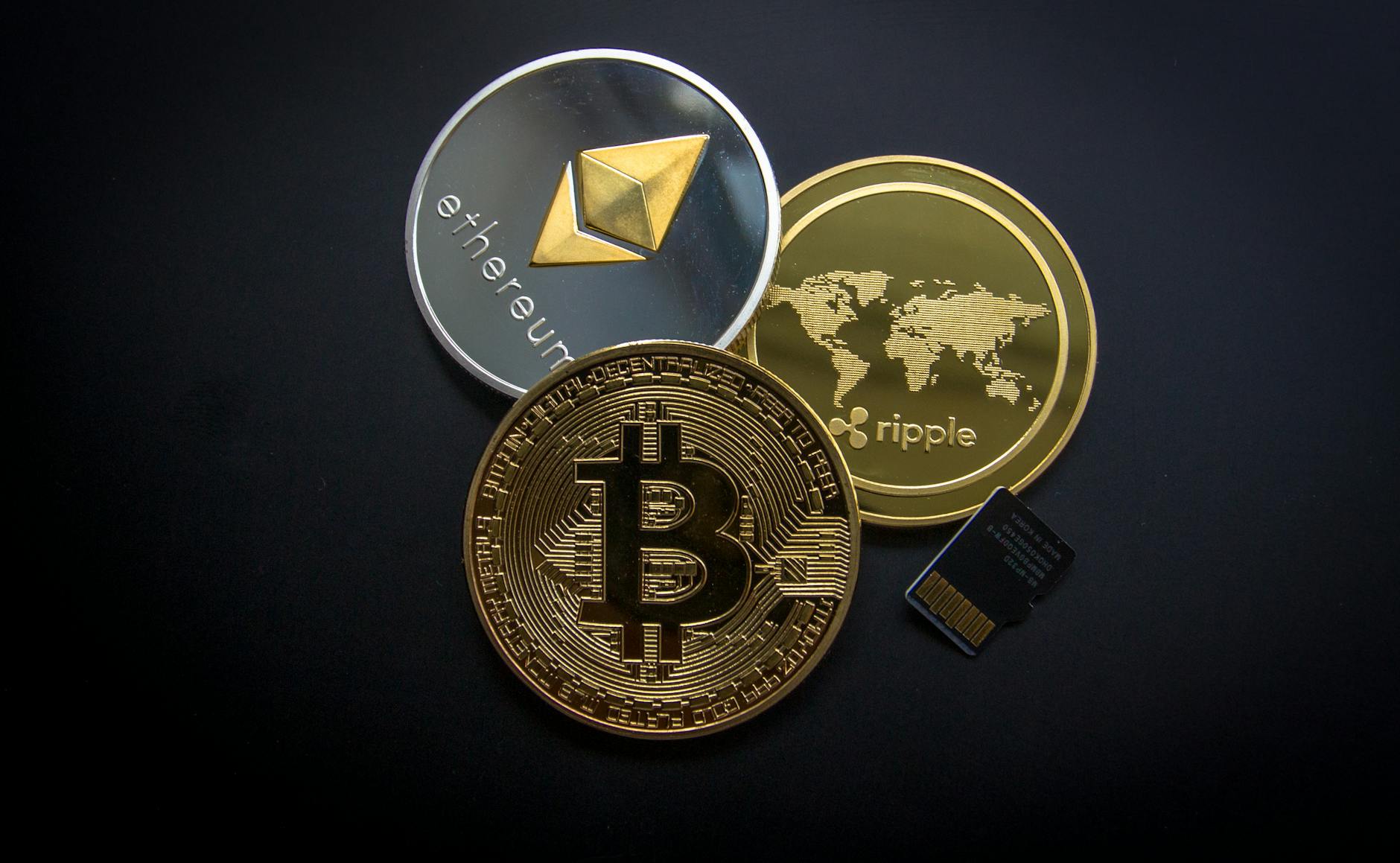
Beyond prediction markets, the inherent characteristics of certain digital assets themselves challenge traditional legal definitions. Consider the case of XRP. While Ripple, the company associated with XRP, has faced its own legal battles over whether XRP constitutes a security, the asset itself presents another classification challenge: its immutability and resistance to central control.
Recently, a hacker moved approximately $83 million in stolen XRP from Bitget, an event that highlighted a critical aspect: Ripple, despite its association, cannot simply “freeze” or reverse these transactions. This characteristic—the unfreezeable nature of many digital assets—stands in stark contrast to traditional financial systems where banks or central authorities can intervene in cases of fraud or theft. Regulators grapple with how to apply existing laws, designed for controllable, centralized systems, to assets that are fundamentally decentralized and immutable. This inherent difference in control and reversibility is another ‘internet secret’ that shapes the classification debate, pushing legal frameworks to their breaking point.
The Human Element: Regulatory Shifts and Departures
The individuals steering the regulatory ships also play a critical role in this classification battle. The impending departure of SEC Commissioner Hester Peirce on October 2, after approximately eight years of service, is noteworthy. Known affectionately as “Crypto Mom” for her often-dissenting, pro-innovation views within the SEC, her absence could shift the balance of regulatory sentiment. Peirce has consistently advocated for clearer guidelines and a more accommodating approach to digital assets, understanding the unique challenges they pose to existing frameworks. Her departure could signal either a hardening or a softening of regulatory stances, depending on her successor and the overall political climate.
Broader Implications for the Future of Digital Finance
The outcomes of these classification battles extend far beyond prediction markets or specific tokens. They will ultimately define the scope of institutional participation, the viability of decentralized finance (DeFi), and the future of tokenization across various asset classes. As major players like Kraken’s parent company, Payward, bet billions on building integrated financial infrastructure that unifies trading, payments, and asset management, clear classification becomes paramount. Similarly, deals like Binance’s agreement with Circle to boost USDC in emerging markets demonstrate a growing institutional confidence that relies on regulatory clarity.
Without a coherent and forward-looking approach to digital asset classification, the promise of a more efficient, inclusive, and innovative financial system risks being stifled by legal ambiguity and jurisdictional fragmentation. The ‘internet secret’ is that the future of digital finance isn’t just about technological breakthroughs; it’s about the painstaking, often unseen, work of fitting these innovations into a legal world not built for them.
Key Takeaways
- Classification is Foundational: How a digital asset is legally categorized (security, commodity, currency, gambling, etc.) determines its entire regulatory pathway and market viability.
- Prediction Markets as a Test Case: The Kalshi appeal highlights the struggle to define novel digital products, potentially leading to a landmark Supreme Court decision.
- Decentralization Challenges Control: The unfreezeable nature of assets like XRP forces regulators to confront fundamental differences from traditional finance, impacting how they are viewed legally.
- Regulatory Personnel Matter: The departure of key figures like Hester Peirce can influence future policy directions and the broader regulatory landscape for digital assets.
- Innovation Needs Clarity: For the digital asset ecosystem to mature and integrate with traditional finance, clear, consistent, and adaptable classification frameworks are essential.
Disclaimer
This article is intended for informational purposes only and should not be construed as financial, legal, or investment advice. The digital asset space is complex and subject to rapid changes in technology and regulation. Readers should conduct their own research and consult with qualified professionals before making any financial decisions.
FAQ
Q: What is digital asset classification?
A: Digital asset classification is the process of legally defining what a specific digital asset (like a cryptocurrency, token, or smart contract) is under existing laws, such as whether it’s a security, a commodity, a currency, or another type of asset.
Q: Why is digital asset classification important?
A: It’s crucial because the classification determines which regulatory bodies have jurisdiction, what legal requirements (like registration or disclosure) apply, how it’s taxed, and ultimately, whether it can be legally offered and traded in various markets.

Q: How do prediction markets fit into this classification debate?
A: Prediction markets, which allow users to bet on future events, are a key example. Regulators are debating whether contracts offered on these platforms are legitimate financial products (commodities) or forms of gambling, with significant implications for their legal operation.
Q: What does the term “unfreezeable asset” mean in this context?
A: An “unfreezeable asset” refers to digital assets, often on decentralized blockchains, where transactions, once confirmed, cannot typically be reversed or stopped by a central authority, even in cases of theft. This contrasts sharply with traditional finance, where banks can freeze accounts or reverse transactions.
Conclusion
We hope this article has been helpful. Feel free to leave a comment below if you have questions.