The Silent Revolution: Crypto Platforms Unlocking Private Market Valuations Before IPOs
In the rapidly evolving landscape of finance, a subtle yet profound shift is taking place, often beneath the radar of mainstream headlines. While much attention focuses on institutional adoption of cryptocurrencies or the latest Bitcoin price movements, a more intriguing development is quietly blurring the lines between the digital asset world and traditional private markets. Crypto platforms, once primarily known for trading Bitcoin and Ethereum, are now offering innovative ways to speculate on the future valuations of private companies—long before they ever consider an Initial Public Offering (IPO).
This hidden fact is not just about bringing crypto to Wall Street; it’s about bringing Wall Street’s exclusive private equity opportunities to a broader, more digitally native audience through mechanisms like pre-IPO perpetual contracts. It represents a significant expansion of what crypto exchanges can offer, challenging traditional finance models and creating new avenues for engagement with assets previously reserved for venture capitalists and institutional investors.
Beyond Spot Trading: The Evolution of Digital Asset Exchanges
For years, the core business of cryptocurrency exchanges revolved around facilitating the buying and selling of digital assets like Bitcoin and altcoins. Their value proposition was speed, accessibility, and a global, 24/7 market. However, as the digital asset space matured, these platforms began to look for ways to diversify their offerings and attract a wider user base. This evolution led to the introduction of derivatives like futures and options on cryptocurrencies, and eventually, a foray into more traditional financial products.
Today, leading crypto platforms are no longer confined to purely digital assets. They are actively integrating elements of traditional finance (TradFi), offering a vast array of products that span equities, exchange-traded funds (ETFs), commodities, and indices. This expansion signifies a strategic move to become comprehensive financial hubs, providing users with a single gateway to both decentralized and centralized financial opportunities. This blending creates a powerful synergy, making traditional assets more accessible and digital assets more integrated into the broader financial ecosystem.
The Rise of Pre-IPO Perpetuals: A New Frontier
One of the most compelling and lesser-known developments in this convergence is the emergence of pre-IPO perpetual contracts. These innovative financial instruments allow traders to speculate on the future valuation of private companies before they go public. Unlike traditional private equity investments, which often require significant capital and long lock-up periods, pre-IPO perpetuals offer a more liquid and accessible way to gain exposure to the growth potential of promising startups.
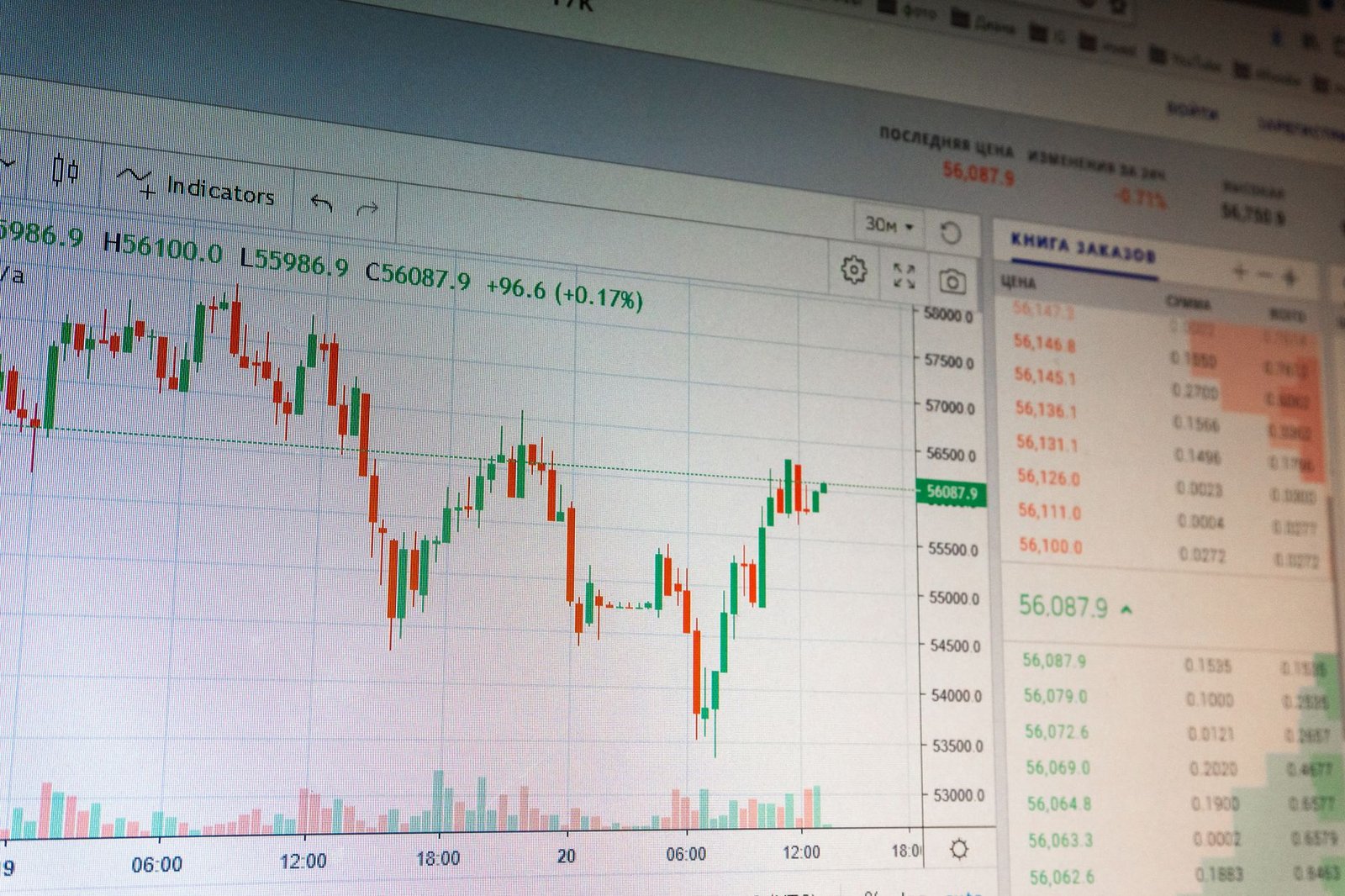
Consider the example of Unitree, a prominent robot manufacturer. As of mid-August 2026, Unitree was reportedly preparing for its IPO, with an anticipated valuation around $9 billion. However, on platforms like Bybit, traders could already engage with pre-IPO perpetuals tied to Unitree, with some analysts and Hyperliquid traders valuing the company significantly higher, even up to $38 billion before its public debut. This disparity highlights the speculative nature and the early access these products provide, allowing market participants to express their views on a company’s future long before traditional stock markets open their doors.
This mechanism effectively tokenizes the idea of a company’s future public valuation, making it tradable. It’s not direct ownership of shares, but rather a contract that derives its value from the anticipated public market performance of the private entity. This move by platforms like Bybit, which has expanded its TradFi perpetuals lineup to over 200 products including private companies, signifies a deliberate push into private markets, offering a unique blend of crypto’s accessibility with TradFi’s asset classes.
Blurring the Lines: Crypto’s New Frontier in Private Equity
The introduction of pre-IPO perpetuals on crypto exchanges marks a significant blurring of the lines between the traditionally distinct worlds of crypto and private equity. Historically, investing in private companies was the domain of venture capitalists, institutional funds, and accredited investors, characterized by high entry barriers, extensive due diligence, and illiquid holdings. Crypto platforms are democratizing access to this exclusive realm, albeit through derivatives rather than direct equity.
This trend is part of a broader movement towards tokenized assets, where traditional real-world assets (RWAs) are represented on blockchain networks. While tokenized stocks typically involve shares of publicly traded companies, pre-IPO perpetuals take this concept a step further, applying a similar speculative mechanism to private entities. The surge in tokenized stock holders, reaching over 1.31 million with monthly transfer volumes exceeding $23 billion as of mid-August 2026, indicates a strong appetite for these innovative financial instruments and a growing comfort with blockchain-based asset representation.
For individual investors, this opens up opportunities to participate in the growth stories of innovative companies much earlier than before. For the crypto ecosystem, it solidifies its position as a dynamic financial innovator, capable of extending its reach far beyond its original scope of digital currencies.
Risks and Opportunities: Navigating the New Landscape
While the prospect of engaging with pre-IPO valuations offers exciting opportunities, it’s crucial to approach this new landscape with a clear understanding of the inherent risks. Pre-IPO perpetuals are highly speculative instruments. The valuations on these platforms are driven by market sentiment and trader expectations, which may or may not align with the company’s eventual IPO price or long-term performance. The significant difference between Unitree’s anticipated IPO valuation and the valuation seen by some perpetual traders underscores this volatility.
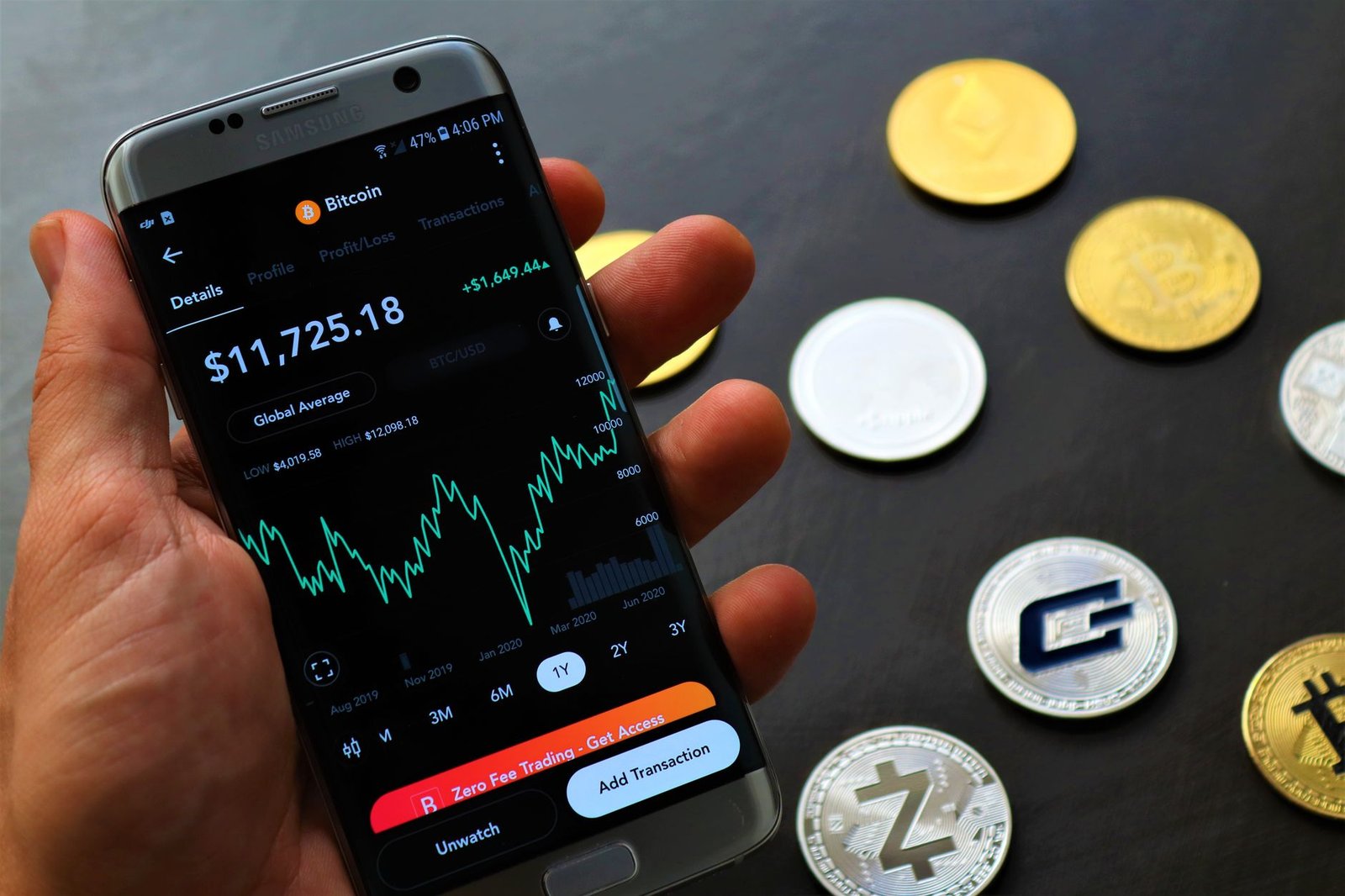
Furthermore, these are derivatives, meaning you are not directly owning a share of the company. The value is derived from an underlying asset, and the contracts can be complex. Factors like funding rounds, market conditions, regulatory changes, and the company’s actual business performance can dramatically impact the value of these perpetuals. It is essential for participants to conduct thorough research, understand the specific terms of the contracts, and be aware of the leverage often associated with perpetual futures trading.
On the opportunity side, these products offer unparalleled access and liquidity for a segment of the market that was previously inaccessible. They allow for price discovery and speculation on private companies, potentially democratizing wealth creation beyond traditional venture capital structures. This innovation showcases crypto’s ability to create new financial primitives that challenge existing market structures.
The Future of Finance: A Unified Market?
The expansion of crypto platforms into pre-IPO perpetuals on private companies, alongside the increasing institutional interest in digital assets (as evidenced by entities like UBS significantly increasing their Bitcoin ETF exposure, including a notable surge in call options and direct holdings of IBIT by mid-August 2026), points towards a future where the lines between traditional finance and decentralized finance become increasingly indistinct. We are witnessing a convergence, not just of assets, but of market structures and access points.
This silent revolution suggests a future financial ecosystem that is more interconnected, liquid, and potentially more inclusive. As technology continues to bridge these gaps, the “hidden facts” of today—like crypto platforms offering pre-IPO access—may well become the standard operating procedures of tomorrow. The long-term implications could be a more dynamic, efficient, and globally accessible financial market where innovative companies can attract capital and individuals can participate in growth, regardless of traditional barriers.
Important Points
- Crypto platforms are expanding beyond native digital assets to offer derivatives on traditional financial products, including private companies before their IPOs.
- Pre-IPO perpetual contracts allow traders to speculate on the future valuation of private companies like Unitree, offering early access to growth opportunities.
- This trend blurs the lines between crypto and traditional private equity, democratizing access to assets previously exclusive to institutional investors.
- While offering new opportunities, pre-IPO perpetuals are highly speculative and carry significant risks due to their derivative nature and market sentiment-driven valuations.
- The convergence of crypto and TradFi, exemplified by these products and institutional Bitcoin exposure, hints at a more unified and accessible future financial market.
Disclaimer
This article is for informational purposes only and should not be considered financial advice. Investing in financial products, especially speculative derivatives like pre-IPO perpetuals, carries significant risks, including the potential loss of principal. Always conduct your own research and consult with a qualified financial advisor before making any investment decisions.

FAQ
-
What are pre-IPO perpetuals?
Pre-IPO perpetuals are derivative contracts offered on crypto platforms that allow traders to speculate on the future valuation of private companies before they conduct an Initial Public Offering (IPO). They provide exposure to a company’s potential growth without direct equity ownership.
-
How do crypto platforms offer access to private companies?
Crypto platforms achieve this by creating perpetual futures contracts whose underlying value is tied to the anticipated public market valuation of a specific private company. These are not direct equity investments but rather speculative derivatives.
-
What are the risks of trading pre-IPO perpetuals?
The risks include high volatility, speculative valuations driven by market sentiment, potential for significant losses due to leverage, and the fact that they are derivatives, not direct equity. The actual IPO price might differ significantly from perpetual valuations.
-
How does this trend relate to traditional finance (TradFi)?
This trend represents a significant convergence between crypto and TradFi, as crypto platforms adopt traditional financial instruments and asset classes. It democratizes access to private market opportunities that were historically exclusive to institutional investors, blurring the lines between the two financial ecosystems.
Conclusion
We hope this article has been helpful. Feel free to leave a comment below if you have questions.