Introduction: The Rising Tide of AI Deepfakes and the Imperative for Robust Identity
The digital landscape is evolving at an unprecedented pace, bringing with it both innovation and new threats. Among the most concerning developments is the increasing sophistication of AI-generated deepfakes. These convincing synthetic media creations, capable of mimicking a person’s appearance, voice, and mannerisms, pose a significant risk to digital trust, particularly within the sensitive realms of cryptocurrency and traditional finance.
For sectors built on verifiable transactions and secure identities, such as crypto exchanges, financial institutions, and digital asset platforms, deepfakes represent a potent weapon for fraud, illicit activities, and the erosion of user confidence. Imagine a deepfake of an executive authorizing a fraudulent transfer or a synthetic identity attempting to open an account on a crypto platform. The implications are staggering.
Addressing this challenge requires a fundamental shift towards more advanced security measures. This is where AI biometric verification tools come to the forefront, offering a robust defense by authenticating identity through unique biological and behavioral characteristics. Projects like the Sam Altman-backed World Network are already demonstrating this shift, securing fresh funding and moving to integrate biometric screening devices directly into enterprise software suites, thereby fortifying digital identity at a critical juncture.
Disclaimer: This article provides informational content and should not be considered financial advice. The crypto and finance markets are volatile, and readers should conduct their own research and consult with financial professionals before making any investment decisions.
How AI Biometric Verification Works Against Deepfakes
Traditional identity verification methods often struggle against sophisticated deepfakes. A static image or a simple video might not be enough to distinguish between a real person and an AI-generated imitation. This is where AI-powered biometrics shine, leveraging advanced algorithms and machine learning to detect the subtle cues that deepfakes often miss.
Beyond Simple Liveness Checks: The AI Advantage
While basic liveness detection attempts to ensure a person is physically present (e.g., by asking them to blink or turn their head), AI elevates this to a new level. Modern AI biometric systems analyze a multitude of factors in real-time:

- Micro-expression Detection: AI can identify minute facial muscle movements and expressions that are incredibly difficult for deepfakes to replicate authentically.
- Physiological Responses: Advanced systems can monitor subtle physiological signals like blood flow under the skin (photoplethysmography, or PPG) which are absent in synthetic video.
- 3D Mapping and Depth Analysis: By creating a 3D model of the user’s face, AI can detect inconsistencies in depth perception or lighting that might indicate a 2D deepfake overlay.
- Behavioral Biometrics: Beyond physical traits, AI can analyze unique behavioral patterns such as typing cadence, mouse movements, or even the subtle nuances in a person’s voice and speech patterns, providing an additional layer of authentication.
These machine learning models are continuously trained on vast datasets encompassing both real human interactions and a growing library of synthetic media, allowing them to adapt and improve their detection capabilities against evolving deepfake techniques.
Multi-Modal Biometrics for Enhanced Security
The most effective AI biometric solutions often employ a multi-modal approach, combining several verification methods for a more comprehensive and resilient identity profile. This might include:
- Facial Recognition: Analyzing unique facial features.
- Voice Analysis: Identifying distinct vocal characteristics and speech patterns.
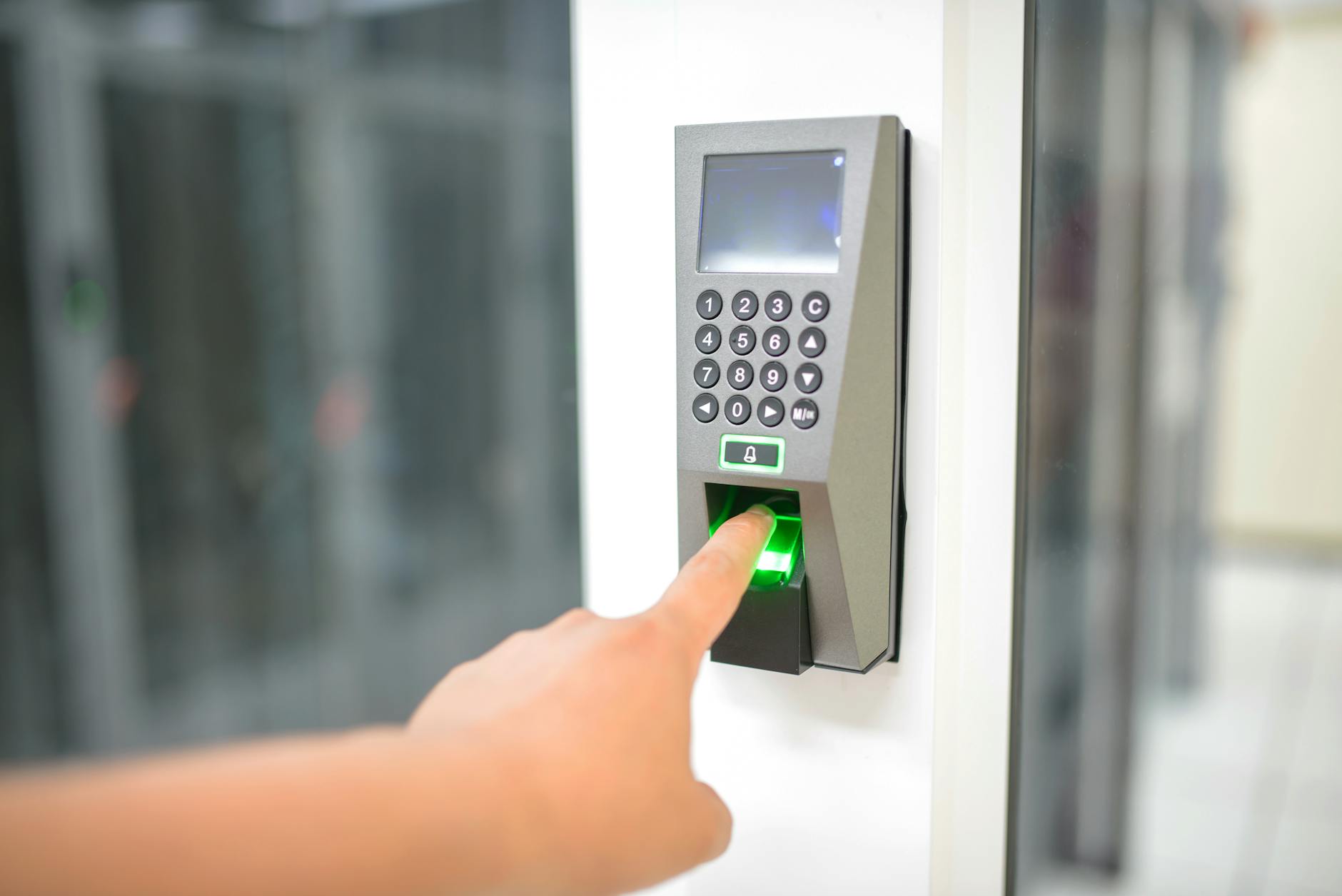
- Fingerprint and Iris Scans: Utilizing highly unique physical biometrics.
AI acts as the orchestrator, integrating and cross-referencing these diverse inputs. For instance, if a deepfake manages to bypass facial recognition, it’s highly unlikely to simultaneously replicate a person’s unique voice patterns and physiological responses perfectly. This multi-layered defense creates a formidable barrier against even the most advanced deepfake attempts, mirroring the efforts of organizations integrating biometric screening devices across various enterprise software suites to ensure robust security.
Practical Applications in Crypto and Finance
The integration of AI biometric verification tools holds transformative potential across various critical functions within the crypto and financial industries.
Onboarding and KYC (Know Your Customer)
One of the most crucial applications is in the initial onboarding process, where robust Know Your Customer (KYC) and Anti-Money Laundering (AML) checks are paramount. AI biometrics can prevent synthetic identities, created using deepfakes, from opening fraudulent accounts on crypto exchanges or financial platforms. By verifying the authenticity of an applicant’s identity in real-time, these tools can streamline the user experience while maintaining stringent security standards. For institutional crypto trading platforms, such as LMAX, which has been exploring strategic options including a sale or public offering, the ability to onboard clients securely and efficiently is vital for growth and compliance.
Transaction Authorization and Fraud Prevention
Beyond onboarding, AI biometric tools are essential for securing day-to-day operations and high-value transactions. When a user attempts to initiate a significant transfer or access sensitive account information, AI can re-authenticate their identity using real-time biometric analysis. This helps detect and prevent account takeovers facilitated by deepfakes, where fraudsters might try to impersonate a legitimate user to approve illicit transactions. The proactive detection of anomalies and suspicious behavioral patterns adds an invaluable layer of fraud prevention.

Enterprise-Level Integration and Scalability
The true power of AI biometric solutions lies in their ability to be seamlessly integrated into existing enterprise software suites and infrastructure. This allows large financial institutions and major crypto platforms to deploy these advanced security measures at scale without overhauling their entire systems. The strategic move by projects like World Network to embed biometric screening devices directly into enterprise applications signifies the industry’s recognition of the need for deeply integrated and scalable solutions. This integration ensures that security protocols are consistent across all touchpoints, from web interfaces to mobile apps. For further insights into securing digital assets, you might explore articles on Blockchain Security Solutions.
The Future Landscape: Challenges and Opportunities
While AI biometric verification offers a powerful defense, the battle against deepfakes is an ongoing technological arms race. Both challenges and opportunities lie ahead.
Evolving Threats and Continuous Innovation
Deepfake technology is not static; it is constantly advancing, becoming more sophisticated and harder to detect. This necessitates continuous innovation in AI biometric detection. Developers must consistently update and refine their machine learning models, incorporating new data and developing novel detection techniques to stay ahead of emerging threats. The effectiveness of these tools will depend on their adaptability and the speed at which they can learn from new deepfake methodologies.
Privacy Concerns and Ethical AI
The use of biometric data raises significant privacy concerns. Ensuring the secure handling, storage, and processing of sensitive personal information is paramount. Ethical AI principles, including transparency in how data is used, user consent, and robust data protection measures, must be at the core of any biometric solution. Striking a balance between enhanced security and safeguarding individual privacy is a critical challenge that the industry must address responsibly. Learn more about protecting your data in our guide on Data Privacy in Digital Assets.
Regulatory Compliance and Digital Trust
AI biometrics can play a crucial role in helping crypto and financial platforms meet increasingly stringent regulatory requirements, such as KYC, AML, and sanctions compliance. For instance, recent actions by EU authorities to include entities like HTX exchange in Russian sanctions lists underscore the global focus on preventing illicit financial activities. Robust identity verification, supported by AI biometrics, can provide the verifiable proof of identity needed to navigate complex regulatory landscapes and avoid penalties. By fostering a more secure and trustworthy digital environment, these tools help build confidence among users, investors, and regulators alike, which is essential for the long-term growth and adoption of digital finance.
Key Takeaways
- AI deepfakes pose a significant and evolving threat to digital identity in crypto and finance.
- AI biometric verification offers a robust, multi-layered defense by analyzing unique physical and behavioral characteristics.
- Multi-modal approaches, combining various biometric inputs, enhance security against sophisticated deepfakes.
- Practical applications include secure onboarding, KYC, transaction authorization, and enterprise-level fraud prevention.
- Continuous innovation is vital to counter evolving deepfake technologies.
- Addressing privacy concerns and adhering to ethical AI principles are crucial for widespread adoption.
- AI biometrics significantly contribute to regulatory compliance and building digital trust in the financial sector.
Conclusion: Securing the Digital Frontier with AI Biometrics
In an era where digital interactions are increasingly central to finance and commerce, the integrity of digital identity is non-negotiable. AI biometric verification tools offer a powerful and necessary defense against the growing threat of deepfakes, providing an essential layer of security for crypto platforms and financial institutions. By leveraging advanced machine learning to authenticate users through their unique biological and behavioral traits, these tools not only protect against fraud but also foster greater trust and enable seamless, secure digital experiences. As the digital frontier continues to expand, AI biometrics will undoubtedly play a pivotal role in securing our identities and safeguarding the future of digital finance.
Remember, the information provided here is for educational purposes and should not be construed as financial advice. Always consult with a qualified financial professional for personalized guidance.
Frequently Asked Questions
What are AI deepfakes and why are they a threat to crypto and finance?
AI deepfakes are synthetic media, such as videos or audio, created using artificial intelligence to realistically imitate a person’s appearance and voice. They pose a significant threat to crypto and finance by enabling sophisticated fraud, such as impersonating individuals for unauthorized transactions, account takeovers, or creating fake identities for illicit activities like money laundering, thereby eroding trust in digital systems.
How do AI biometric tools combat deepfakes?
AI biometric tools combat deepfakes by analyzing unique physical and behavioral characteristics that are difficult for deepfakes to replicate. This includes real-time detection of micro-expressions, physiological responses (like blood flow), 3D facial mapping, and behavioral biometrics such as voice patterns. These systems use machine learning to differentiate between genuine human presence and synthetic imitations.
Why is AI biometric verification particularly important for crypto and finance?
AI biometric verification is crucial for crypto and finance due to the high value of assets, the speed of digital transactions, and stringent regulatory requirements like Know Your Customer (KYC) and Anti-Money Laundering (AML). These tools provide a robust defense against identity fraud, secure onboarding processes, protect against unauthorized transactions, and help platforms comply with regulations by ensuring the authenticity of users.
Are there privacy concerns with AI biometrics, and how are they addressed?
Yes, the use of biometric data raises significant privacy concerns. These are addressed through strict adherence to ethical AI principles, including transparent data handling practices, obtaining explicit user consent, implementing robust data encryption and storage protocols, and complying with data protection regulations. The goal is to balance enhanced security with the safeguarding of individual privacy rights.