The Rise of Tokenized Real-World Assets (RWAs) and the Auditing Challenge
The tokenization of real-world assets (RWAs) – from real estate and art to commodities and private equity – represents a significant shift in financial markets. By bringing tangible and intangible assets onto the blockchain, tokenization promises increased liquidity, fractional ownership, and greater accessibility. However, as the market for tokenized RWAs expands, so does the critical need for robust auditing processes. Ensuring the integrity, accuracy, and transparency of these tokenized assets is paramount for investor confidence and market stability. This is where artificial intelligence, particularly AI agents, is stepping in to revolutionize the auditing landscape.
Traditionally, auditing real-world assets is a labor-intensive and often opaque process. It involves manual verification of ownership, valuation, legal documentation, and compliance. When these assets are tokenized, the complexity increases. The challenge lies in bridging the gap between the physical or traditional asset and its digital representation on the blockchain. Verifying that the digital token accurately reflects the underlying asset, and that the processes governing its lifecycle are sound, requires sophisticated tools and methodologies. Without effective auditing, the promise of transparency and efficiency in tokenized RWAs could be undermined by risks of fraud, misrepresentation, or operational failures.
How AI Agents are Transforming RWA Auditing
AI agents are autonomous software programs designed to perform specific tasks, learn from data, and make decisions. In the context of RWA auditing, these agents can automate and enhance various stages of the verification process, offering unprecedented levels of efficiency and accuracy. Unlike static AI models, AI agents can actively interact with blockchain networks, smart contracts, and external data sources to conduct continuous, real-time audits.
1. Automated Due Diligence and Data Verification
Before an RWA can be tokenized, extensive due diligence is required. AI agents can sift through vast amounts of data, including legal documents, property records, financial statements, and historical performance data, much faster and more comprehensively than human auditors. They can identify inconsistencies, flag potential risks, and cross-reference information across multiple sources. For instance, an AI agent tasked with auditing tokenized real estate could verify property deeds, check for liens, assess environmental reports, and compare market valuations, all before the tokenization process even begins.
2. Smart Contract Analysis and Security Auditing
The smart contracts that govern tokenized RWAs are critical. They dictate how tokens are issued, transferred, managed, and redeemed. AI agents can be deployed to analyze these smart contracts for vulnerabilities, bugs, and potential exploits. By learning from vast datasets of existing smart contracts and known security flaws, AI can identify patterns that indicate risk. This proactive security auditing helps prevent potential financial losses and ensures that the rules governing the tokenized asset are robust and secure. This is particularly important given the immutable nature of blockchain transactions; once a smart contract is deployed, errors can be difficult and costly to rectify.
3. Real-Time Transaction Monitoring and Anomaly Detection
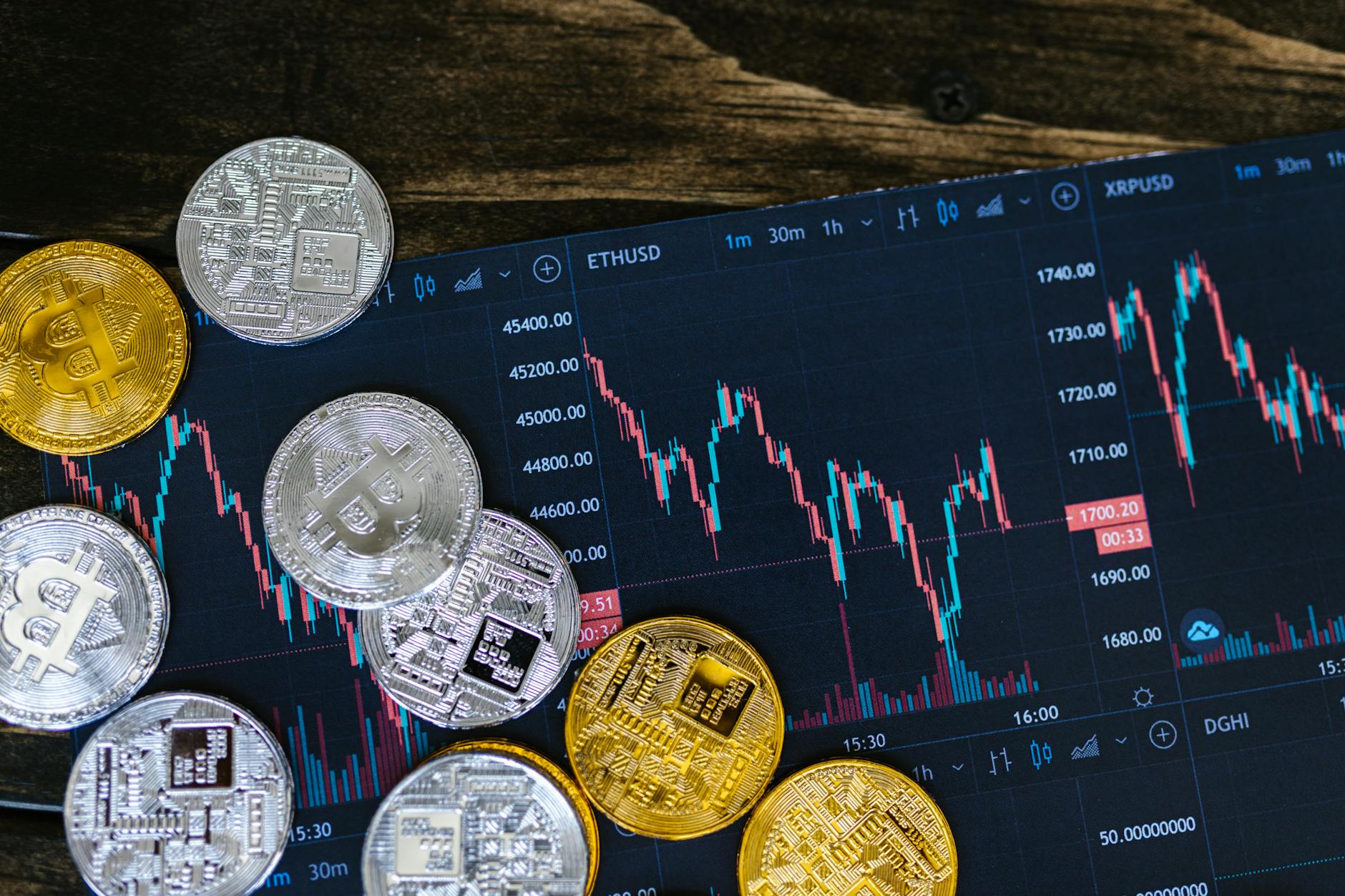
Once RWAs are tokenized and trading, continuous monitoring is essential. AI agents can act as vigilant guardians, observing all transactions related to a specific tokenized asset on the blockchain. They can detect unusual patterns that might indicate market manipulation, insider trading, or fraudulent activities. For example, if a significant number of tokens are suddenly moved to a single wallet or if trading volumes spike unnaturally without a clear catalyst, an AI agent can flag this as a potential anomaly, alerting human oversight for further investigation. This real-time monitoring capability is a significant upgrade from traditional periodic audits.
4. Valuation Accuracy and Market Benchmarking
Determining the accurate, up-to-date valuation of tokenized RWAs can be challenging, especially for illiquid assets. AI agents can continuously gather and analyze market data, including comparable asset prices, economic indicators, and sentiment analysis from news and social media. They can then provide more accurate and dynamic valuations, ensuring that the digital representation aligns with the current market reality. This helps maintain the integrity of the tokenized asset and builds trust among investors who rely on accurate pricing for their investment decisions.
5. Compliance and Regulatory Adherence
The regulatory landscape for tokenized assets is complex and evolving. AI agents can be programmed to monitor transactions and operations against a backdrop of current and anticipated regulations. Recently, there have been shifts in regulatory approaches, such as the withdrawal of proposed reporting rules for crypto sent to private wallets by FinCEN in October 2026. While this specific news pertains to general crypto, it highlights the dynamic nature of regulatory frameworks. AI agents can help ensure that the issuance and management of tokenized RWAs comply with relevant laws, flagging any deviations and assisting in generating compliance reports. This proactive approach to regulatory adherence is crucial for mainstream adoption.
Case Study: Tokenized Real Estate Auditing with AI Agents
Imagine a large commercial property being tokenized. The process involves numerous steps, each a potential point of failure or fraud:
- Asset Verification: An AI agent verifies the property’s title deed against official land registries, checks for any outstanding mortgages or legal disputes, and analyzes building inspection reports for structural integrity and compliance with building codes.
- Valuation: The agent analyzes recent sales of comparable properties in the area, rental yields, economic forecasts, and current interest rates to establish a fair market value.
- Token Issuance: The agent audits the smart contract responsible for issuing the property tokens, ensuring it correctly reflects the total value, ownership structure, and any predefined conditions (e.g., rental income distribution).
- Ongoing Management: Post-issuance, the AI agent monitors rental income flow, verifies distributions to token holders, and flags any discrepancies. It also tracks secondary market trading activity for unusual patterns and ensures compliance with any KYC/AML requirements stipulated by the platform.
This comprehensive, automated approach significantly reduces the time and cost associated with traditional auditing while enhancing accuracy and transparency.
Challenges and the Future of AI in RWA Auditing
While the potential of AI agents in RWA auditing is immense, challenges remain. The accuracy of AI models heavily relies on the quality and completeness of the data they are trained on. Furthermore, the interpretation of complex legal documents and nuanced market conditions still requires human expertise. The development of sophisticated AI that can truly understand context and intent is ongoing. Ensuring the security and integrity of the AI agents themselves is also critical; a compromised AI auditor could lead to catastrophic failures.
The future will likely see a hybrid approach, where AI agents handle the heavy lifting of data analysis, transaction monitoring, and initial risk assessment, while human auditors provide oversight, strategic decision-making, and handle edge cases that require human judgment. The integration of AI agents into blockchain platforms and RWA management systems will become increasingly sophisticated, leading to more secure, transparent, and efficient markets for tokenized assets.
Key Takeaways
AI agents are poised to become indispensable tools in the auditing of tokenized real-world assets. By automating due diligence, analyzing smart contracts, monitoring transactions in real-time, ensuring accurate valuations, and facilitating regulatory compliance, they address many of the inherent challenges in this nascent market. While human oversight remains crucial, AI agents offer a powerful solution for building trust and transparency in the burgeoning world of tokenized RWAs, paving the way for broader adoption and innovation.
Disclaimer: This article is for informational purposes only and does not constitute financial or investment advice. The cryptocurrency and tokenized asset markets are volatile and involve significant risks. Always conduct your own research and consult with a qualified financial advisor before making any investment decisions.
Frequently Asked Questions
What are Real-World Assets (RWAs) in the context of tokenization?
Real-World Assets (RWAs) refer to tangible or intangible assets that exist outside of the blockchain, such as real estate, commodities, art, stocks, bonds, or intellectual property, which are then represented as digital tokens on a blockchain.

How do AI agents differ from traditional AI models in auditing?
AI agents are autonomous programs that can actively interact with systems (like blockchains) and make decisions to perform tasks, often in real-time. Traditional AI models are typically used for analysis or prediction based on static datasets, lacking the active, interactive capability of agents.
What are the main benefits of using AI agents for auditing tokenized RWAs?
The main benefits include increased efficiency, enhanced accuracy, real-time monitoring, better anomaly detection, automated compliance checks, and improved transparency, all of which contribute to greater investor confidence.
What are the primary challenges in using AI for RWA auditing?
Challenges include ensuring the quality and completeness of training data, the need for human expertise to interpret complex nuances, the security of the AI agents themselves, and the evolving regulatory landscape.
Will AI agents replace human auditors in the RWA space?
It is more likely that AI agents will augment human auditors, forming a hybrid model. AI agents will handle repetitive, data-intensive tasks, freeing up human auditors to focus on strategic oversight, complex problem-solving, and areas requiring nuanced judgment.
Conclusion
We hope this article has been helpful. Feel free to leave a comment below if you have questions.