The Unseen Engine: How Tokenized Stock Transfers Work
Recent reports indicate a staggering 105% surge in tokenized stock transfers over a single month, reaching $8.4 billion in market value. This rapid acceleration signifies a fundamental shift in how ownership of traditional assets is managed and transacted. While headlines often focus on the market value, the true innovation lies in the underlying mechanics of these tokenized stock transfers. This article delves into the hidden processes that enable this burgeoning sector, moving beyond the surface-level statistics to understand the technology and operational frameworks at play.
At its core, a tokenized stock represents a traditional share of a company that has been digitized and issued as a token on a blockchain. This token carries the same rights and value as the underlying physical stock but benefits from the inherent properties of blockchain technology: transparency, immutability, and programmability. The surge in transfer activity is a direct result of increased adoption by both crypto-native companies and established financial institutions, who are expanding their initiatives in tokenized equity.
Demystifying the Tokenization Process
The journey from a traditional stock to a tokenized asset involves several key steps. First, a financial institution or a specialized platform partners with a company to tokenize its shares. This process typically involves:
- Legal and Regulatory Compliance: Ensuring that the tokenized shares comply with all relevant securities laws and regulations in the jurisdictions where they will be offered. This is a critical step, often involving legal frameworks that bridge traditional finance with the digital asset space.
- Smart Contract Development: Creating a smart contract on a chosen blockchain (e.g., Ethereum, Polygon, Solana). This contract defines the rules of the token, including its total supply, transferability, and any associated rights or dividend distributions. The smart contract acts as the digital embodiment of the stock’s ownership and rules.
- Token Issuance: Minting the tokens on the blockchain, with each token representing a specific number of underlying shares. For example, one token might represent one share, or a fractional ownership of a share.
- Custody and Linkage: Establishing a secure link between the digital tokens and the actual underlying shares held in custody by a traditional financial intermediary. This ensures that the token’s value is directly tied to the real-world asset it represents.
The recent increase in tokenized stock transfers suggests that these infrastructure and compliance hurdles are becoming more manageable, leading to greater market accessibility. The $8.4 billion figure represents the total value of these digital representations of equity changing hands, a significant indicator of growing market confidence and utility.
The Mechanics of Transferring Tokenized Stocks
Once a stock is tokenized, its transfer process leverages the capabilities of blockchain technology. Unlike traditional stock transfers, which can be slow and involve multiple intermediaries, tokenized stock transfers are designed to be more efficient and transparent.
On-Chain Transfers
The most direct method of transfer occurs entirely on the blockchain. When a buyer and seller agree on a transaction, the smart contract governing the token is utilized. The seller’s tokens are debited from their digital wallet, and simultaneously credited to the buyer’s wallet. This process is typically executed through a decentralized exchange (DEX) or a peer-to-peer transaction facilitated by a compliant platform. The entire transaction is recorded on the blockchain, providing an immutable audit trail.
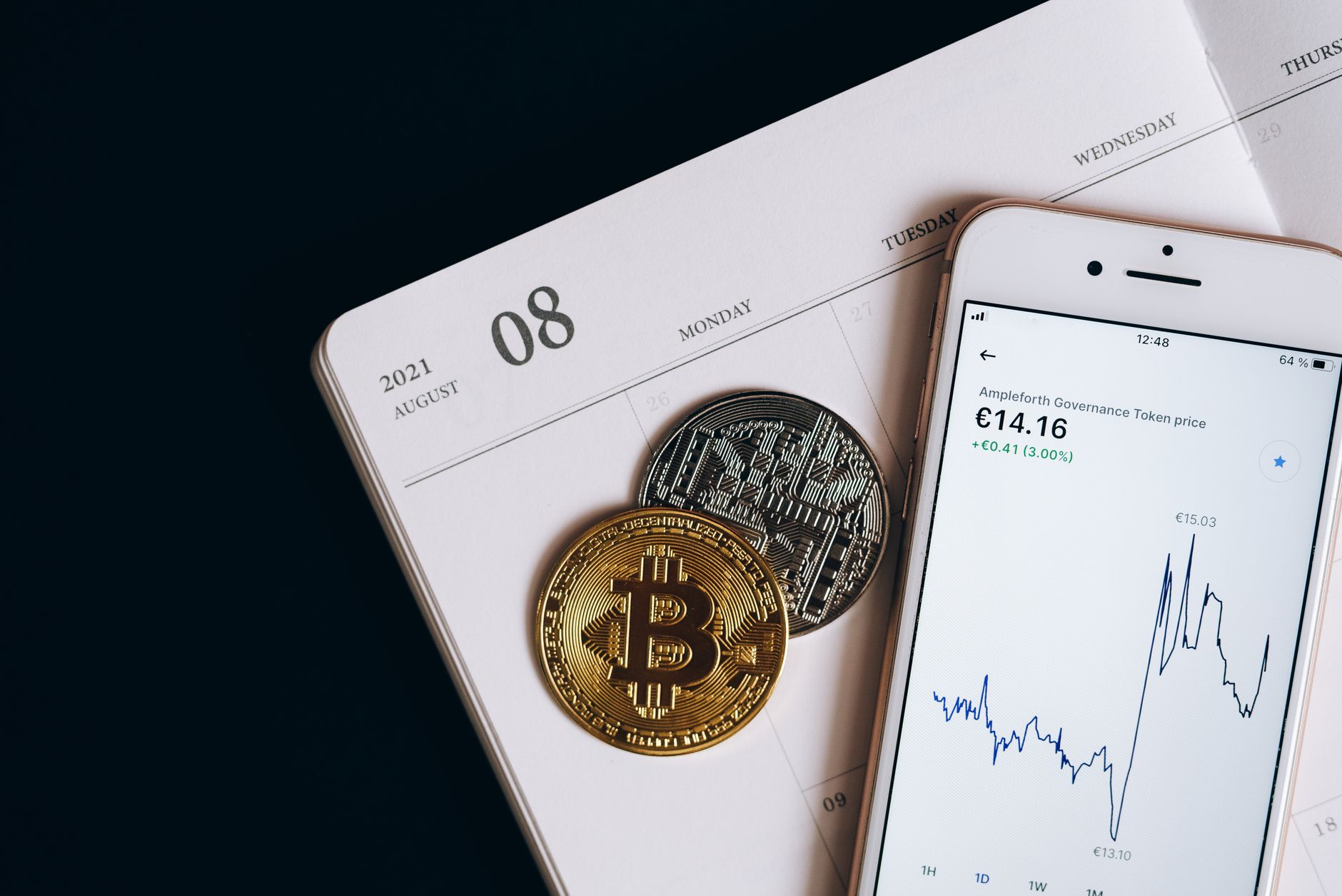
Example: Imagine Alice wants to sell 100 tokenized shares of Company X to Bob. If both Alice and Bob have compatible digital wallets and are using a platform that supports these tokens, Alice can initiate a transfer. Her smart contract will verify her ownership of 100 tokens. Upon confirmation, the contract will execute the transfer, removing the tokens from Alice’s wallet and adding them to Bob’s. This can often be settled in minutes, a stark contrast to the days it might take for traditional stock settlements.
Bridging Traditional and Digital
For many institutional players and retail investors, the transition to fully on-chain transfers is gradual. Therefore, many tokenized stock platforms facilitate transfers that bridge the gap between traditional financial systems and blockchain. This can involve:
- Off-Chain Settlement with On-Chain Verification: Transactions might be initiated and settled through traditional brokerage accounts, with the blockchain used primarily for record-keeping and verification of ownership.
- Compliance-Driven Transfers: Smart contracts can be programmed with specific rules that require Know Your Customer (KYC) and Anti-Money Laundering (AML) checks before a transfer can be completed. This ensures that only verified participants can acquire tokenized securities, addressing regulatory concerns.
- Integration with Existing Financial Infrastructure: Companies are working to integrate tokenized stock platforms with existing trading and settlement systems, allowing for a smoother experience for users accustomed to traditional finance.
The 105% surge suggests that these hybrid models are proving effective in driving adoption. They allow for the benefits of blockchain—efficiency, transparency, and programmability—while mitigating some of the complexities and regulatory uncertainties associated with fully decentralized systems.
The Impact of Increased Transfer Activity
The significant rise in tokenized stock transfer volume, reaching $8.4 billion, has several profound implications:
- Enhanced Liquidity: Tokenization can potentially unlock liquidity for traditionally illiquid assets, making it easier to buy and sell shares, especially for private companies or fractional ownerships.
- Greater Accessibility: Lowering the barriers to entry through fractional ownership and more efficient trading mechanisms can open up investment opportunities to a wider range of investors.
- Increased Transparency and Auditability: The immutable ledger of the blockchain provides a clear and verifiable record of all transactions, reducing the risk of fraud and disputes.
- Programmability and Automation: Smart contracts enable automated dividend payouts, corporate actions, and compliance checks, streamlining complex financial processes.
As reported by Cointelegraph on July 8, 2026, tokenized stock transfers are accelerating. This trend is fueled by both crypto companies and traditional financial institutions expanding their tokenized equity initiatives. This indicates a growing consensus on the utility and viability of tokenized assets within the broader financial ecosystem.

Challenges and the Road Ahead
Despite the impressive growth, challenges remain. Regulatory clarity is still evolving across different jurisdictions. Ensuring robust security for digital wallets and smart contracts is paramount. Furthermore, educating investors and traditional financial professionals about the nuances of tokenized assets is crucial for continued mainstream adoption.
The recent news about Polymarket’s marketing blitz to regain trust after a ban highlights the ongoing need for legitimacy and public confidence in the digital asset space, even for non-security-related prediction markets. This underscores the importance of robust compliance and transparent operations for all entities operating within the blockchain and tokenization sphere.
The $1.2 billion AI fund launched by Paradigm, as reported on July 8, 2026, by Coindesk, also signals a broadening of investment focus within the venture capital space, with AI and robotics gaining traction. While this fund is focused beyond digital assets, it reflects a wider trend of technological innovation and investment that often intersects with the evolution of blockchain and tokenization. The success of tokenized stock transfers will likely depend on continued innovation, strong regulatory frameworks, and the demonstrable benefits they offer over traditional methods.
Key Takeaways
The surge in tokenized stock transfers is not just a market fluctuation; it represents a significant technological and operational evolution in finance. The hidden mechanics involve sophisticated smart contracts, secure custody solutions, and increasingly integrated compliance frameworks. As these systems mature, we can expect tokenized assets to play an even more integral role in global financial markets, offering enhanced efficiency, liquidity, and accessibility.
Disclaimer: This article is for informational purposes only and does not constitute financial advice. Investing in digital assets and tokenized securities involves risks. Always conduct your own research and consult with a qualified financial advisor before making any investment decisions.
Frequently Asked Questions
What is a tokenized stock?
A tokenized stock is a traditional share of a company that has been digitized and represented as a token on a blockchain. It holds the same rights and value as the original stock but benefits from blockchain’s transparency and programmability.

How is a stock tokenized?
The process involves legal compliance, smart contract development on a blockchain, issuance of tokens representing shares, and establishing a secure link between the tokens and the actual underlying shares held in custody.
What are the benefits of tokenized stock transfers?
Benefits include enhanced liquidity, greater accessibility for investors (especially through fractional ownership), increased transparency and auditability due to blockchain records, and the potential for automated processes like dividend payouts via smart contracts.
Are tokenized stock transfers completely on the blockchain?
Not always. Many platforms facilitate hybrid models where transactions might be settled through traditional systems but verified on-chain, or where smart contracts enforce compliance checks before transfers occur.
What are the main challenges for tokenized stock transfers?
Key challenges include achieving regulatory clarity across different jurisdictions, ensuring robust security for digital assets, and educating investors and professionals about the technology and its implications.
Conclusion
We hope this article has been helpful. Feel free to leave a comment below if you have questions.