The Art of Deception: Understanding Crypto Wash Trading
In the dynamic and often opaque world of cryptocurrency trading, market participants constantly seek an edge. While legitimate strategies focus on analysis, timing, and risk management, a darker undercurrent exists: wash trading. This illicit practice, designed to create a false impression of market activity and price momentum, can deceive unsuspecting investors and distort the true value of digital assets. Understanding the mechanics of wash trading is crucial for anyone navigating the crypto markets today.
At its core, wash trading involves a single entity, or a coordinated group, simultaneously buying and selling the same financial instrument to create misleading activity. In the context of cryptocurrency exchanges, this typically means an individual or a bot trading a specific token with themselves across different accounts they control. The primary goal is not to profit from legitimate market price movements, but to artificially inflate trading volume and potentially manipulate the price, making the asset appear more popular and liquid than it actually is. This can lure in new, uninformed traders who believe they are entering a thriving market.
How Wash Trading Works: The Mechanics Unveiled
The implementation of wash trading can be surprisingly sophisticated, often leveraging automated trading bots. Here’s a breakdown of common methods:
Self-Trading for Volume Inflation
The most straightforward form of wash trading involves a trader creating multiple accounts on an exchange. They then execute buy and sell orders between these accounts for the same cryptocurrency. For example, Account A sells 1 Bitcoin (BTC) to Account B at a slightly higher price, and then Account B sells that same 1 BTC back to Account A at a slightly lower price, or vice versa. These transactions are recorded as legitimate trades, artificially boosting the reported trading volume for that cryptocurrency on the exchange. This can create a deceptive picture of high demand and active trading, even when genuine market interest is low.
Creating False Price Momentum
Beyond just inflating volume, wash traders can also manipulate prices. By placing a series of buy orders at progressively higher prices, a wash trader can create the illusion of upward price momentum. These orders might be placed and then immediately canceled, or they might be filled by their own sell orders from another account. This artificial price push can trigger FOMO (Fear Of Missing Out) in other traders, prompting them to buy at inflated prices, which further benefits the wash trader who might then sell their holdings at a profit before the artificial demand dissipates.
Order Book Manipulation
Wash traders might also place a large number of buy or sell orders without the intention of them being executed. This is known as ‘spoofing’ and is often used in conjunction with wash trading. By placing a substantial wall of buy orders below the current market price, they can make the asset appear more stable and less likely to fall. Conversely, placing sell orders above the market can create a psychological barrier. When combined with self-trading, these tactics can create a very convincing, albeit fraudulent, market sentiment.
Exploiting Less Regulated Exchanges
Wash trading is more prevalent on smaller, less regulated cryptocurrency exchanges. These platforms may have weaker surveillance mechanisms, making it easier for bad actors to operate undetected. They might also have less stringent Know Your Customer (KYC) and Anti-Money Laundering (AML) policies, allowing individuals to create numerous anonymous accounts with ease. The lack of robust oversight is a significant factor enabling these deceptive practices.
The Impact of Wash Trading on the Crypto Market
The consequences of wash trading extend far beyond the immediate deceptive trades:
Distorted Market Perception
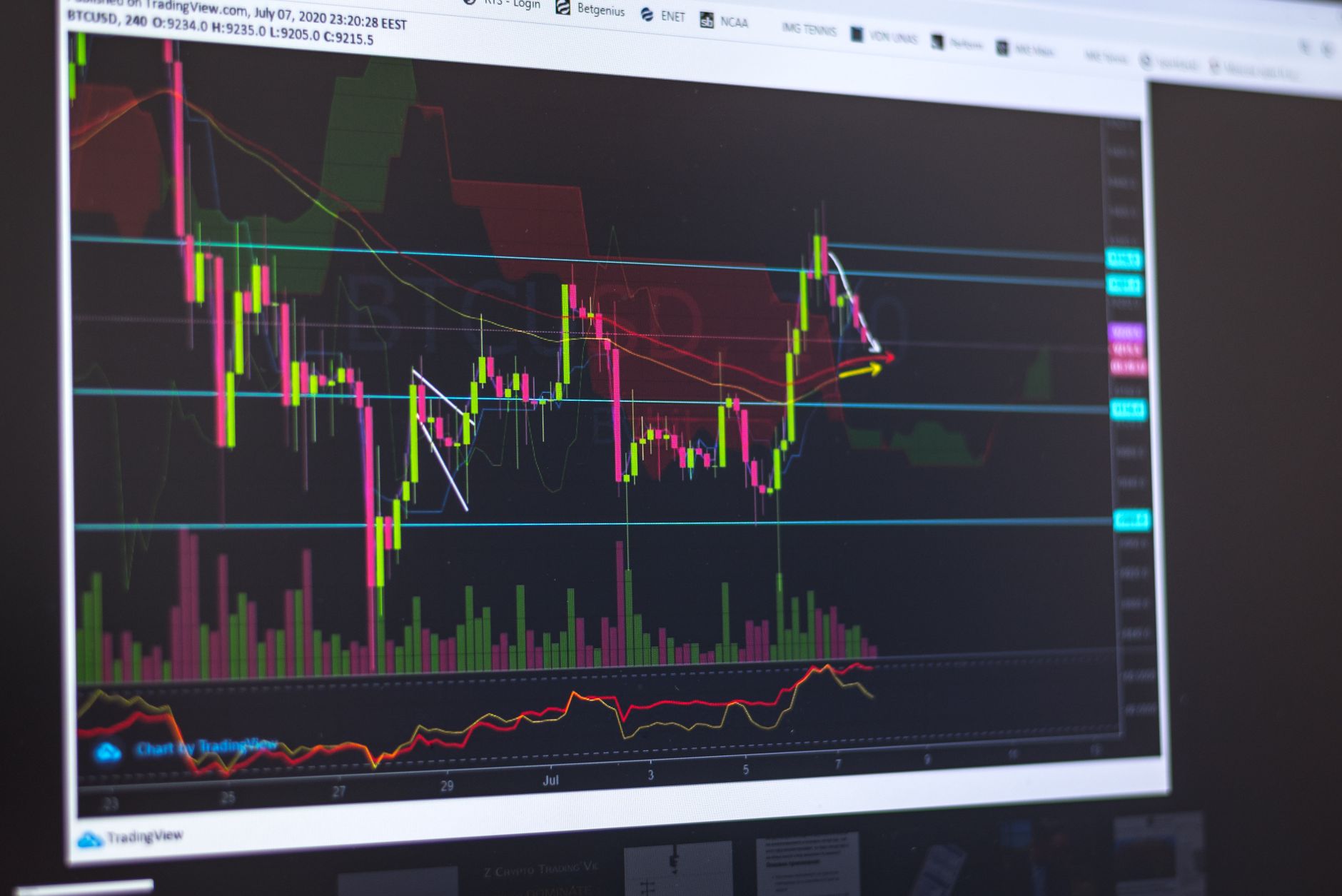
The most immediate impact is the creation of a false sense of market health. High reported trading volumes and seemingly steady price increases can attract new investors who are unaware of the underlying manipulation. This can lead to significant losses for those who invest based on this fabricated data.
Erosion of Trust
When wash trading is discovered, it severely damages the credibility of the affected exchange and the cryptocurrency itself. This erosion of trust makes legitimate investors more cautious and can deter institutional adoption, which is crucial for the long-term growth and stability of the crypto space. Recent developments, like Japan’s move to regulate crypto like stocks with lower taxes to drive growth, highlight the global push for more transparent and regulated markets, which inherently combats such manipulative practices.
Unfair Competition
Legitimate traders and investors are at a disadvantage. They compete against entities that can artificially influence prices and volumes, creating an uneven playing field. This can discourage genuine market participants from engaging in trading activities.
Regulatory Scrutiny
The prevalence of wash trading, alongside other illicit activities, attracts unwanted regulatory attention. This can lead to stricter rules and oversight, potentially stifling innovation and increasing compliance costs for legitimate businesses in the sector. Regulators globally are increasingly focusing on market integrity, as seen in discussions around how crypto assets might be treated similarly to traditional securities.
Spotting the Signs: How to Detect Wash Trading
While wash trading is designed to be covert, certain patterns can indicate its presence:
Unusually High Trading Volume with Low Price Movement
A common red flag is a cryptocurrency experiencing extremely high trading volumes without any significant corresponding price changes. In a healthy market, high volume typically correlates with substantial price discovery, either upward or downward. If volume spikes dramatically but the price remains relatively flat, it could suggest that trades are being executed internally rather than driven by genuine market demand.
Repetitive Trading Patterns
Wash traders often employ bots that execute trades at predictable intervals or in consistent sizes. Observing a pattern of trades occurring at very regular times, or a consistent volume across multiple transactions, could be a sign of automated self-trading. This is different from the organic flow of trades that typically exhibit more randomness.
Concentrated Trading Activity
If a significant portion of the trading volume for a particular asset is concentrated on a single, often smaller, exchange, it warrants further investigation. Wash trading can be easier to orchestrate on platforms with less liquidity and oversight. While not definitive proof, it’s a factor to consider.
Lack of Significant News or Development
A sudden surge in trading activity and price for an asset that lacks any accompanying positive news, fundamental developments, or broader market trends can be suspicious. Genuine market movements are often driven by identifiable catalysts. If a token’s price and volume inexplicably rise, it might be due to artificial inflation.
Unusual Order Book Activity
Look for signs of spoofing. If you see large orders appearing and disappearing from the order book without executing, especially if they seem to be strategically placed to influence price perception, it could be a component of a wash trading strategy. Tools that analyze order flow can sometimes reveal these patterns.
Navigating the Market Safely: Strategies for Traders
Protecting yourself from the effects of wash trading requires diligence and a critical approach:
Diversify Your Trading Platforms
Do not rely solely on one exchange, especially if it’s a smaller, less reputable platform. Spreading your trading across multiple, well-established exchanges can provide a more balanced view of market activity and reduce exposure to manipulation on any single venue. As seen with Bitcoin’s recent performance, its dominance rate has risen as major altcoins struggle, indicating capital flow shifts that can be better observed across diverse market data.
Focus on Fundamentals and Verified Information
Always research the underlying fundamentals of a cryptocurrency before investing. Look for real-world use cases, strong development teams, and transparent tokenomics. Be wary of assets that seem to be gaining traction solely based on social media hype or inflated trading metrics.
Utilize Advanced Trading Tools
Employ charting software and analytics platforms that can help you identify anomalies in trading volume, order flow, and price action. Many platforms offer tools to analyze trade frequency, size distribution, and order book depth, which can reveal patterns indicative of manipulation.
Be Skeptical of Unrealistic Gains
If an investment opportunity promises extraordinarily high returns with little risk, it’s almost certainly too good to be true. Wash trading often aims to create this illusion of easy profit. Stick to realistic expectations and a well-defined investment strategy.
Stay Informed About Regulatory Developments
Keep abreast of regulatory news and actions concerning cryptocurrency exchanges and trading practices. As countries like Japan move towards more comprehensive regulation, the market is likely to become more transparent, making wash trading harder to conceal. Understanding the regulatory landscape can help you identify exchanges that are more likely to comply with market integrity rules.
The Future of Market Integrity in Crypto
The fight against wash trading and other forms of market manipulation is ongoing. As the cryptocurrency industry matures, there is a growing demand for transparency and accountability. Exchanges are increasingly investing in sophisticated surveillance systems, and regulatory bodies are developing frameworks to identify and penalize manipulative behavior. While BlackRock’s innovative income-paying Bitcoin ETF, set to launch with a competitive fee structure, signals a move towards more sophisticated financial products, the underlying market integrity remains paramount.
The development of decentralized exchanges (DEXs) also presents a complex picture. While they can offer greater transparency through on-chain data, they can also be susceptible to their own forms of manipulation if not properly designed. The broader trend, however, is towards greater scrutiny. Traders who understand the hidden mechanics of practices like wash trading are better equipped to protect their investments and contribute to a more honest and sustainable crypto ecosystem.
Disclaimer: This article is for informational purposes only and does not constitute financial advice. Cryptocurrency trading involves significant risk, and investors should conduct their own research and consult with a qualified financial advisor before making any investment decisions.
Frequently Asked Questions
What is wash trading in cryptocurrency?
Wash trading in cryptocurrency is a manipulative practice where a trader or group of traders simultaneously buy and sell the same cryptocurrency to create a false impression of high trading volume and artificial price movement, making the asset appear more active and valuable than it truly is.
Why do traders engage in wash trading?
Traders engage in wash trading primarily to inflate trading volume, create a false sense of market demand, manipulate prices to attract unsuspecting buyers, and deceive other market participants into making investment decisions based on misleading activity.
How can I identify potential wash trading activity?
Signs of wash trading can include unusually high trading volumes with minimal price changes, repetitive and predictable trading patterns, concentrated trading activity on a single exchange, a lack of significant news or fundamental catalysts driving price action, and unusual order book activity like spoofing.
Is wash trading illegal?
Yes, wash trading is considered a form of market manipulation and is illegal in traditional financial markets. While regulatory oversight in the crypto space is still evolving, many jurisdictions are increasingly cracking down on such practices to ensure market integrity.
What are the risks of investing in a market affected by wash trading?
Investing in a market affected by wash trading carries significant risks. You may buy assets at artificially inflated prices, only to suffer substantial losses when the artificial demand disappears. It also erodes trust in the market and exchanges, making it harder for legitimate investors to operate.
Conclusion
We hope this article has been helpful. Feel free to leave a comment below if you have questions.