Understanding the ‘Liquidity Squeeze’ in Financial Markets
The financial world often experiences periods where large events can temporarily shift the flow of capital, leading to what’s known as a ‘liquidity squeeze.’ This phenomenon occurs when there’s a sudden decrease in the availability of cash or easily convertible assets in the market. Investors may pull funds from other assets to participate in a highly anticipated event, such as a major Initial Public Offering (IPO). This can lead to a temporary downturn or increased volatility in other sectors as capital is reallocated.
Recently, analysts have pointed to the impending SpaceX IPO as a potential catalyst for such a squeeze. With SpaceX’s pre-IPO market on platforms like Hyperliquid showing significant trading activity and price adjustments, it signals strong investor interest. Reports from mid-June 2026 indicate that the pre-IPO market for SpaceX shares (SPCX) has seen a notable decline from its May highs, though it still trades above the initial offer price. This suggests traders are reassessing the premium, but the underlying demand to get into the IPO remains substantial.
Why Major IPOs Create Liquidity Shifts
When a company as prominent as SpaceX announces its intention to go public, it attracts immense attention. Investors, from institutional funds to individual traders, often earmark significant capital for such opportunities. This capital might otherwise be deployed in other growth areas, including technology stocks or even digital assets like cryptocurrencies. The sheer scale of interest in a SpaceX IPO can mean that a substantial amount of money is being moved into a single event, creating a temporary vacuum elsewhere.
The term ‘classic pre-mega-IPO liquidity squeeze’ has been used by market observers to describe this situation. It implies a predictable pattern where excitement and capital concentration around a major IPO can lead to sell-offs or reduced buying pressure in other markets. This isn’t necessarily a reflection of the underlying health of those other markets, but rather a short-term reallocation of funds driven by a specific, high-profile event.
The Potential Impact on Crypto Markets
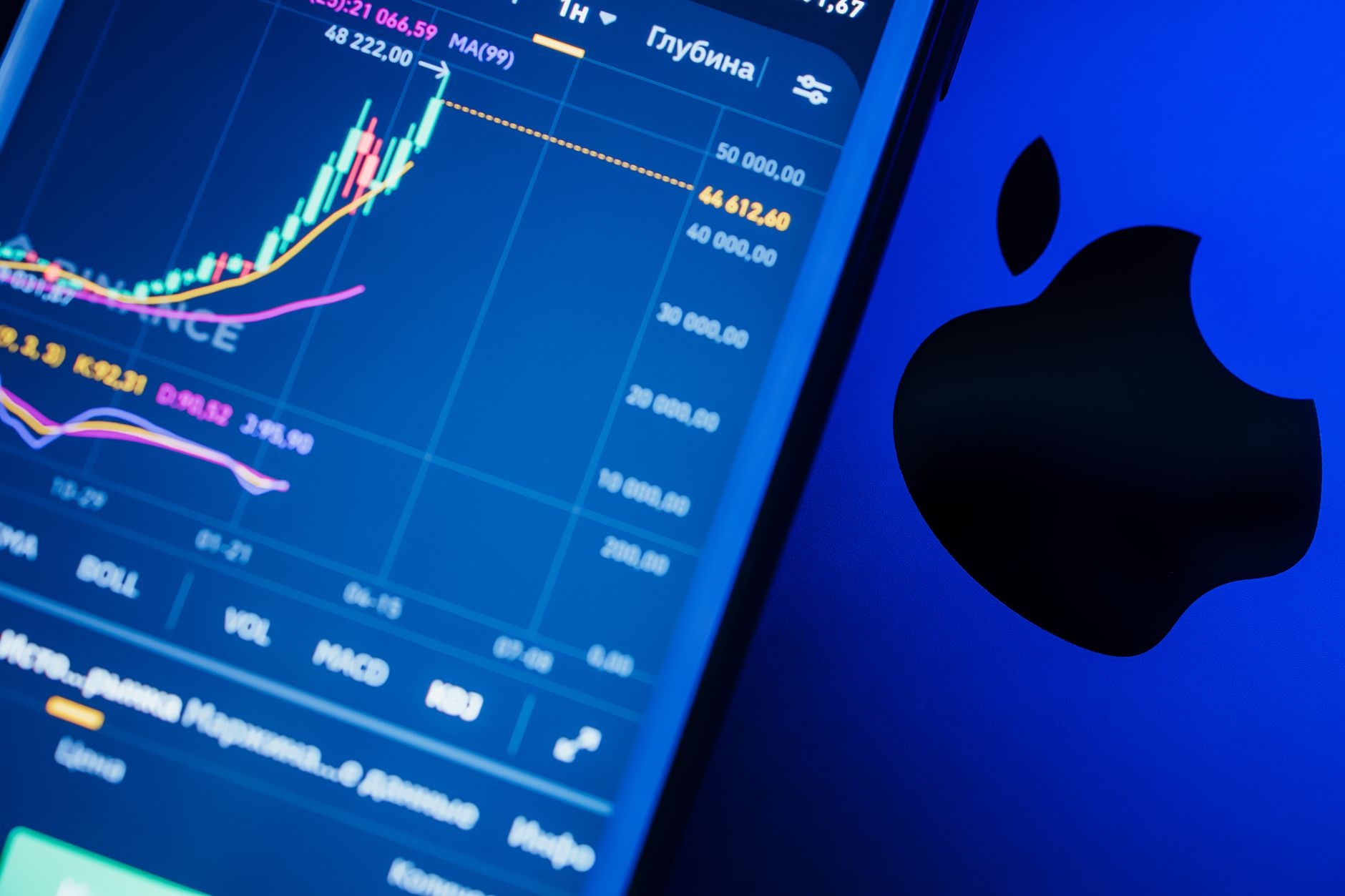
Cryptocurrencies, often seen as a high-growth, albeit volatile, asset class, can be particularly sensitive to shifts in overall market liquidity. When large sums of money are diverted towards a major IPO like SpaceX’s, it can reduce the available capital for investment in digital assets. This can manifest in several ways:
- Reduced Buying Pressure: With less capital available, the demand for cryptocurrencies may decrease, potentially leading to price stagnation or declines.
- Increased Volatility: As investors rebalance portfolios to accommodate the IPO or react to broader market sentiment, existing crypto holdings might experience increased price swings.
- Capitulation Events: In some cases, a sustained lack of liquidity or negative market sentiment can lead to ‘capitulation,’ where holders sell their assets at a loss, fearing further declines. Data from mid-June 2026 has shown signs of capitulation in certain crypto markets, like XRP, suggesting that a bottom might be approaching for some assets, potentially exacerbated by broader capital movements.
It’s also worth noting that macroeconomic factors, such as Federal Reserve interest rate policies, can add headwinds to the crypto market, irrespective of IPO-related liquidity shifts. The interplay between these broader economic forces and specific market events like a major IPO creates a complex environment for crypto investors to navigate.
SpaceX IPO Oversubscription and its Financial Ripple Effects
Reports around mid-June 2026 suggest that the SpaceX IPO is nearing four times oversubscribed. This means that demand for shares far exceeds the number of shares being offered. Such high demand further underscores the significant capital being channeled into this single event. While oversubscription is a positive sign for the IPO’s success, it directly contributes to the liquidity squeeze by pulling capital from other investment avenues.
The implications extend beyond just the available cash. The sheer success and valuation of a company like SpaceX can also influence investor sentiment towards other high-growth sectors. If investors are heavily focused on the potential returns from a company like SpaceX, they might become more risk-averse towards other speculative assets, including some parts of the tech and crypto landscapes.
Impact on the Tech Stock Sector
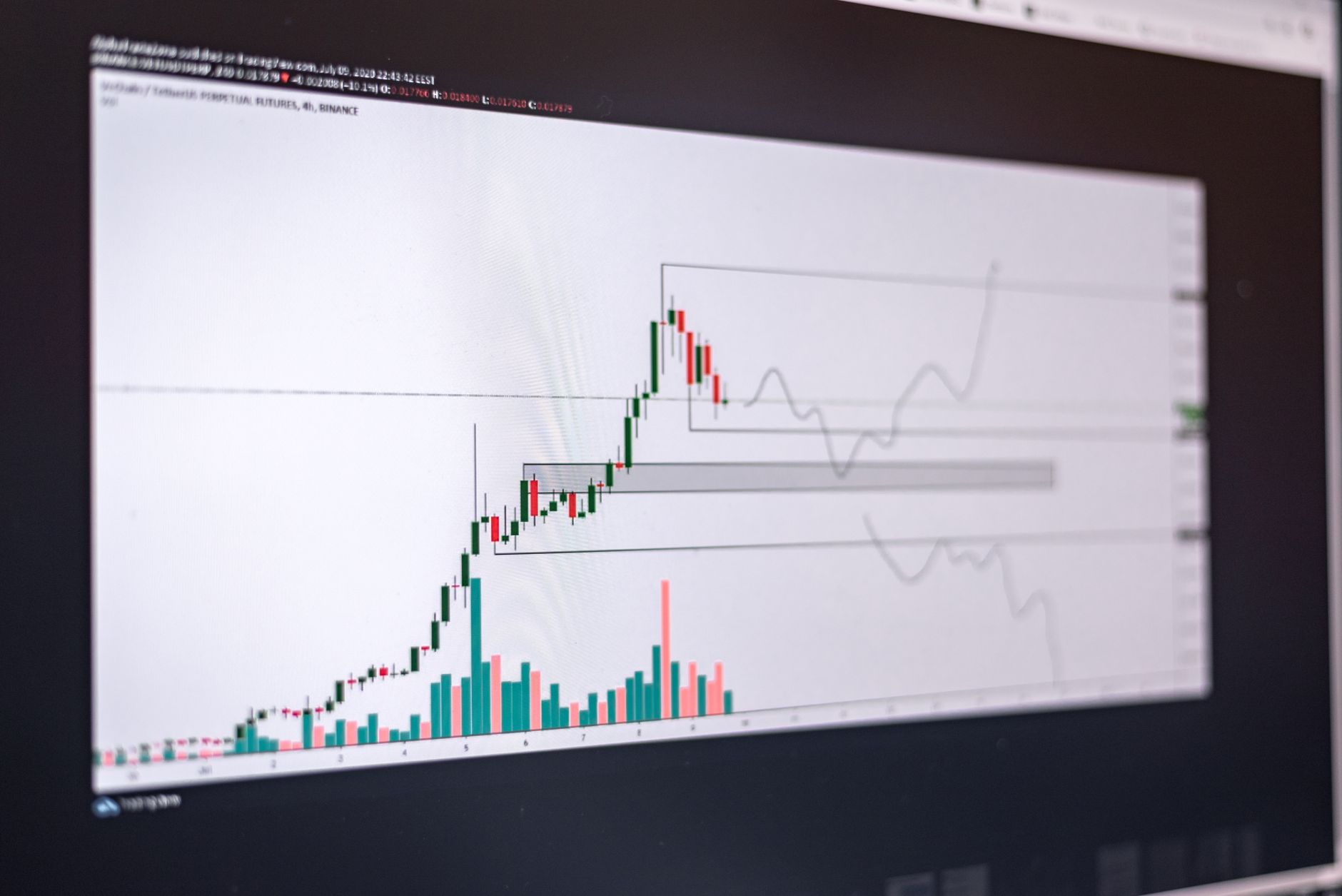
The technology sector, which often competes with IPOs for investor capital, can also feel the heat from a major event like the SpaceX IPO. Companies that are also seeking funding, or those whose valuations are closely tied to growth expectations, might experience:
- Strained Funding Rounds: For pre-IPO tech companies or those looking to raise capital through secondary offerings, the intense focus on SpaceX could make it harder to attract investors.
- Valuation Adjustments: As capital is redirected, the valuations of some publicly traded tech stocks might face downward pressure, especially those perceived as less certain or offering lower potential returns compared to the SpaceX opportunity.
- Increased Scrutiny on Emerging Tech: While established tech giants might weather the storm, smaller, more speculative tech ventures could find it more challenging to secure investment during this period.
The news about Anthropic’s IPO pipeline, for instance, highlights how the strategic focus of investors can shift. While new AI models generate headlines, it’s often the underlying financial and IPO prospects that truly capture the attention of traders looking for capital deployment opportunities. In this context, the SpaceX IPO becomes a dominant narrative influencing capital allocation across the tech landscape.
Regulatory and Security Considerations in a Shifting Market
The heightened activity around major financial events, including IPOs and the associated capital flows, also brings regulatory attention. For instance, efforts to combat crypto crime are ongoing, with collaborations like the one between Chainalysis and South Korean police aiming to tackle crypto-enabled illicit activities. This includes state-level threats and retail investor scams.
Furthermore, regulatory frameworks are constantly evolving. Discussions around rules for stablecoin issuers, such as the potential revisions urged for the GENIUS Act’s money-laundering rules by entities like the Hyperliquid Policy Center and Paradigm, show the dynamic nature of financial regulation. These rules are crucial for maintaining market integrity, especially when large capital movements are occurring. While not directly caused by the SpaceX IPO, these regulatory developments occur within the same financial ecosystem and can influence investor confidence and operational costs.
Strategies for Navigating a Liquidity Squeeze
For individual investors, understanding the dynamics of a liquidity squeeze is key to managing portfolios effectively. Here are some considerations:
- Diversification: Ensure your portfolio is well-diversified across different asset classes, sectors, and geographies. This reduces the impact of any single event on your overall holdings.
- Stay Informed: Keep abreast of major market events, such as large IPOs, central bank policies, and regulatory changes. Understanding the context helps in making informed decisions.
- Long-Term Perspective: For long-term investors, short-term market fluctuations driven by capital reallocation might present opportunities rather than threats. Focus on the fundamental value of your investments.
- Risk Management: Re-evaluate your risk tolerance. During periods of potential liquidity strain, it might be prudent to reduce exposure to highly speculative assets or to implement protective strategies like stop-loss orders.
- Avoid Emotional Decisions: Market volatility can be unsettling. Resist the urge to make impulsive buy or sell decisions based on short-term news or price movements.
The SpaceX IPO is a significant event that will undoubtedly shape market dynamics in the short to medium term. By understanding the concept of a liquidity squeeze and its potential effects on both crypto and tech markets, investors can better position themselves to navigate these shifts and protect their financial interests.
Key Takeaways
- A ‘liquidity squeeze’ occurs when capital is drawn towards a major event, reducing availability elsewhere.
- The highly anticipated SpaceX IPO is seen as a potential driver of such a squeeze, impacting crypto and tech stocks.
- High IPO oversubscription, like that reported for SpaceX, intensifies the capital reallocation effect.
- Crypto markets may see reduced buying pressure and increased volatility.
- Tech stocks could face challenges in funding and valuation adjustments.
- Investor strategies should focus on diversification, staying informed, and maintaining a long-term perspective.
Frequently Asked Questions
What is a 'liquidity squeeze' in finance?
A liquidity squeeze is a situation in financial markets where there is a sudden reduction in the availability of cash or easily convertible assets. This often happens when a significant event, like a major IPO, draws a large amount of capital away from other investments.
How can the SpaceX IPO affect my cryptocurrency investments?
The SpaceX IPO could potentially reduce the amount of capital available for investment in cryptocurrencies, leading to decreased buying pressure, increased volatility, or even capitulation events for some digital assets. This is due to investors reallocating funds to participate in the IPO.
Will tech stocks also be impacted by the SpaceX IPO?
Yes, tech stocks can also be affected. The capital drawn to the SpaceX IPO might strain funding rounds for other tech companies, potentially lead to valuation adjustments, and increase scrutiny on emerging tech ventures as investors focus on the more established, high-profile opportunity.
What are some strategies to manage investments during a liquidity squeeze?
Key strategies include maintaining a well-diversified portfolio, staying informed about major market events and economic factors, adopting a long-term investment perspective, practicing risk management, and avoiding emotional trading decisions.
Is the SpaceX IPO's impact on markets a guaranteed outcome?
While analysts predict a liquidity squeeze, the exact impact can vary. Market conditions are influenced by numerous factors, including macroeconomic trends, regulatory changes, and investor sentiment. The extent of the impact will depend on the overall market environment and how investors react.
Conclusion
We hope this article has been helpful. Feel free to leave a comment below if you have questions.