The Shifting Sands of Layer 2s: A Reality Check
The cryptocurrency world often feels like a relentless sprint, a constant push for innovation and adoption. Yet, even in this high-octane environment, the harsh realities of building sustainable ecosystems inevitably surface. Just this past week, the Ethereum Layer 2 landscape saw two significant shifts, serving as a stark reminder that not all ventures, no matter how ambitious or well-funded, are destined for long-term success.
Pudgy Penguins’ Abstract, a consumer-focused blockchain, announced its impending closure on December 15, 2026. This news came shortly after Igloo, the entity behind it, reportedly invested tens of millions to support its operations. Days prior, Blast, another high-profile Layer 2, also indicated that its network was no longer deemed viable for continued operation. These developments aren’t just isolated incidents; they underscore a critical phase of consolidation and natural selection within the highly competitive Layer 2 space.
When Innovation Meets Sustainability
The core promise of Layer 2 solutions is to scale Ethereum, making transactions faster and cheaper. Abstract and Blast aimed to carve out niches, but their closures highlight the immense challenges involved. It’s not enough to simply build; projects must achieve genuine product-market fit, attract and retain a substantial user base, and navigate the significant operational costs associated with running and securing a blockchain network. The investment of ‘tens of millions’ by Igloo for Abstract, for instance, illustrates the capital intensity required, and even that wasn’t enough to secure its future. This period of winnowing is a natural, albeit painful, part of any maturing industry, separating the truly viable from those that struggle to find their footing in a crowded market.
Bitcoin’s Enduring Trajectory Amidst Government Moves
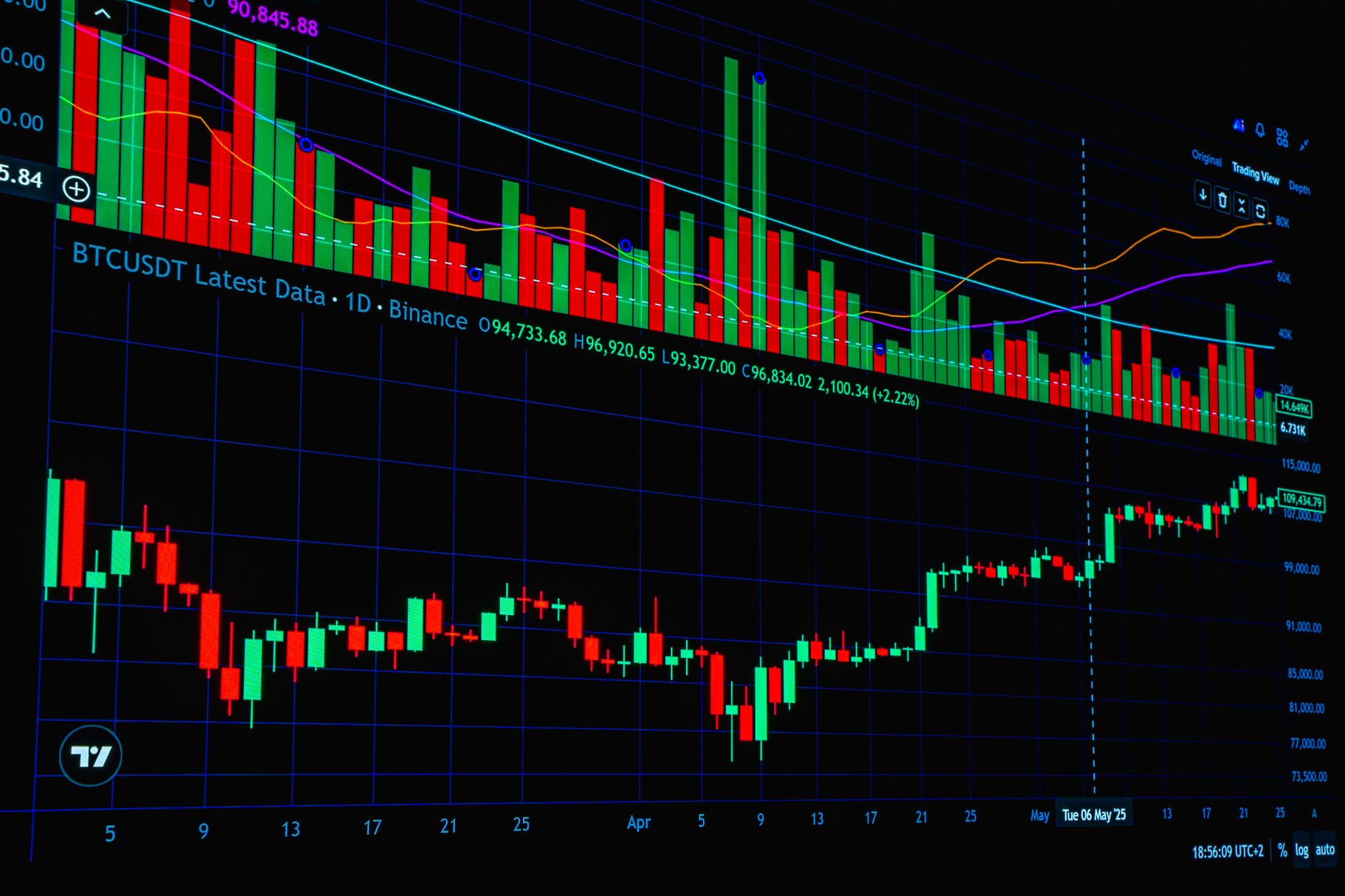
While some corners of the crypto world grapple with sustainability, Bitcoin, the industry’s bedrock, continues its characteristic march. As of Wednesday, October 7, 2026, Bitcoin experienced a dip to approximately $84,200. However, this movement remained within its recent range, keeping its broader ‘stair-step bullish trajectory’ intact. This resilience in the face of localized ecosystem challenges and broader market noise speaks volumes about Bitcoin’s established role and growing institutional confidence.

The Whale in the Room: Government Holdings
Adding another layer of intrigue to market dynamics, wallets linked to the U.S. government moved over $100 million in Bitcoin (BTC) and Binance Coin (BNB) on Tuesday, October 6, 2026, according to data tracked by Arkham. While a sale has not been confirmed, these substantial movements often originate from seized assets related to illicit activities. Such transactions are always under scrutiny, as they represent significant potential supply shifts and underscore the increasing involvement of state actors in managing large crypto portfolios. The lack of immediate sale confirmation suggests these could be internal transfers or strategic repositioning, but the sheer scale demonstrates the growing governmental footprint in the crypto economy.
Regulatory Clarity and Contention: A Global Perspective
The global regulatory landscape for digital assets remains a patchwork of approaches, with some nations pushing for integration and others tightening enforcement. Recent developments from Russia and the U.S. Department of Justice illustrate this divergence.
Russia’s Green Light for Crypto
In a significant move towards formalizing its digital asset ecosystem, Russia registered its first crypto exchanges and custodians on October 7, 2026, under its new legislative framework. Among these was Sberbank, the country’s largest bank, which has announced plans to launch its own crypto products on December 1, 2026. This formal recognition and integration of crypto platforms into the traditional financial system provide a clear operational framework for domestic entities, potentially fostering a more regulated and secure environment for crypto adoption within Russia.
The Long Arm of the Law: Legal Precedents
Across the globe, legal battles continue to shape the boundaries of crypto operations. The U.S. Department of Justice (DOJ) recently invoked a ruling from the Bitcoin Fog appeals court in its efforts to counter Roman Storm’s bid for acquittal. Prosecutors argue that the Bitcoin Fog precedent supports their claim that Tornado Cash activity within Manhattan was sufficient to establish venue for parts of Storm’s case. This legal maneuver is crucial, as the outcome of the Roman Storm trial, influenced by such precedents, will have far-reaching implications for the development and use of privacy-enhancing tools in DeFi, as well as for the jurisdictional reach of U.S. law enforcement in the global crypto space. It highlights the ongoing tension between financial privacy, technological innovation, and regulatory oversight concerning anti-money laundering and illicit finance.
Navigating Crypto’s Complex Evolution
The past week in crypto news paints a vivid picture of an industry in constant flux. We’ve seen the painful but necessary consolidation within the Ethereum Layer 2 ecosystem, a testament to the brutal demands of innovation and market fit. Simultaneously, Bitcoin continues to demonstrate its fundamental resilience, reinforcing its role as a digital store of value despite short-term fluctuations. Overlaying these market dynamics are significant governmental actions, from the U.S. moving substantial crypto holdings to Russia’s formal embrace of regulated crypto services, and the ongoing legal battles that will set precedents for privacy and jurisdiction.
This complex interplay of technological evolution, market forces, and regulatory frameworks defines the current era of digital assets. For participants, it’s a reminder that while the potential for innovation is boundless, the path to sustainable growth is often uneven and requires constant vigilance. This information is for educational purposes only and should not be construed as financial advice.
Frequently Asked Questions
Why did some Ethereum Layer 2s shut down recently?
Two Ethereum Layer 2 networks, Pudgy Penguins’ Abstract and Blast, announced their closures due to challenges in achieving product-market fit, sustaining user engagement, and managing the significant operational costs required to maintain a blockchain network, even with substantial funding.

What does Bitcoin's recent price movement indicate?
As of October 7, 2026, Bitcoin dipped to around $84,200 but remained within its recent range, maintaining a ‘stair-step bullish trajectory.’ This suggests underlying market resilience and sustained demand, reinforcing its role as a prominent digital asset despite short-term fluctuations.
Why did the U.S. government move over $100 million in crypto?
Wallets linked to the U.S. government moved over $100 million in BTC and BNB on October 6, 2026. These movements often relate to seized assets from illicit activities. While a sale hasn’t been confirmed, such large transfers highlight the government’s growing involvement in managing significant crypto holdings.
How is Russia regulating cryptocurrencies?
On October 7, 2026, Russia registered its first crypto exchanges and custodians, including Sberbank, under a new law. Sberbank plans to launch crypto products by December 1, 2026, signaling a formal integration and regulation of digital assets within the country’s financial system.
Conclusion
We hope this article has been helpful. Feel free to leave a comment below if you have questions.