The Dawn of Synthetic Equity: A New Form of Digital Ownership
The financial world is in constant flux, and recent developments in digital assets are pushing the boundaries of traditional investing. One of the most talked-about innovations is the emergence of ‘synthetic equity.’ This concept, which essentially involves digital tokens that represent ownership of underlying assets, like stocks, is sparking both excitement and debate. Understanding what synthetic equity is, how it works, and its implications is crucial for anyone interested in the future of finance.
At its core, synthetic equity refers to a digital token or instrument that aims to replicate the economic performance of an underlying equity asset. Instead of directly holding shares of a company, investors hold a token that tracks the price movements of that company’s stock. This is often achieved through complex financial engineering, where the issuer of the token enters into derivative contracts or other agreements to ensure the token’s value aligns with the real-world asset. The goal is to offer the benefits of stock ownership, such as potential capital appreciation and dividends, within the digital asset ecosystem.
How Synthetic Equity Works: Bridging Traditional and Digital Markets
The mechanism behind synthetic equity often involves leveraging blockchain technology to create and manage these digital tokens. When a platform issues a synthetic stock token, it typically purchases the actual underlying stock or enters into a financial derivative that mimics the stock’s performance. The ownership of this underlying asset or derivative provides the backing for the token. The token is then issued on a blockchain, allowing for potentially faster, more accessible, and global trading.
Consider an example: a company issues a token representing shares of a publicly traded company like Apple (AAPL). An investor could purchase this token on a digital asset exchange. The price of this token would be designed to closely follow the real-time price of AAPL stock. If AAPL’s stock price rises, the value of the synthetic token should also rise proportionally. Similarly, if the underlying company distributes dividends, the issuer of the synthetic token would typically pass these on to the token holders, often in the form of cryptocurrency or stablecoins.
This innovation aims to democratize access to traditional financial markets. For instance, investors in regions with limited access to traditional stock exchanges could potentially participate in global equity markets through these synthetic tokens. Furthermore, the 24/7 nature of many digital asset markets means that these tokens could be traded outside of traditional market hours, offering greater flexibility.
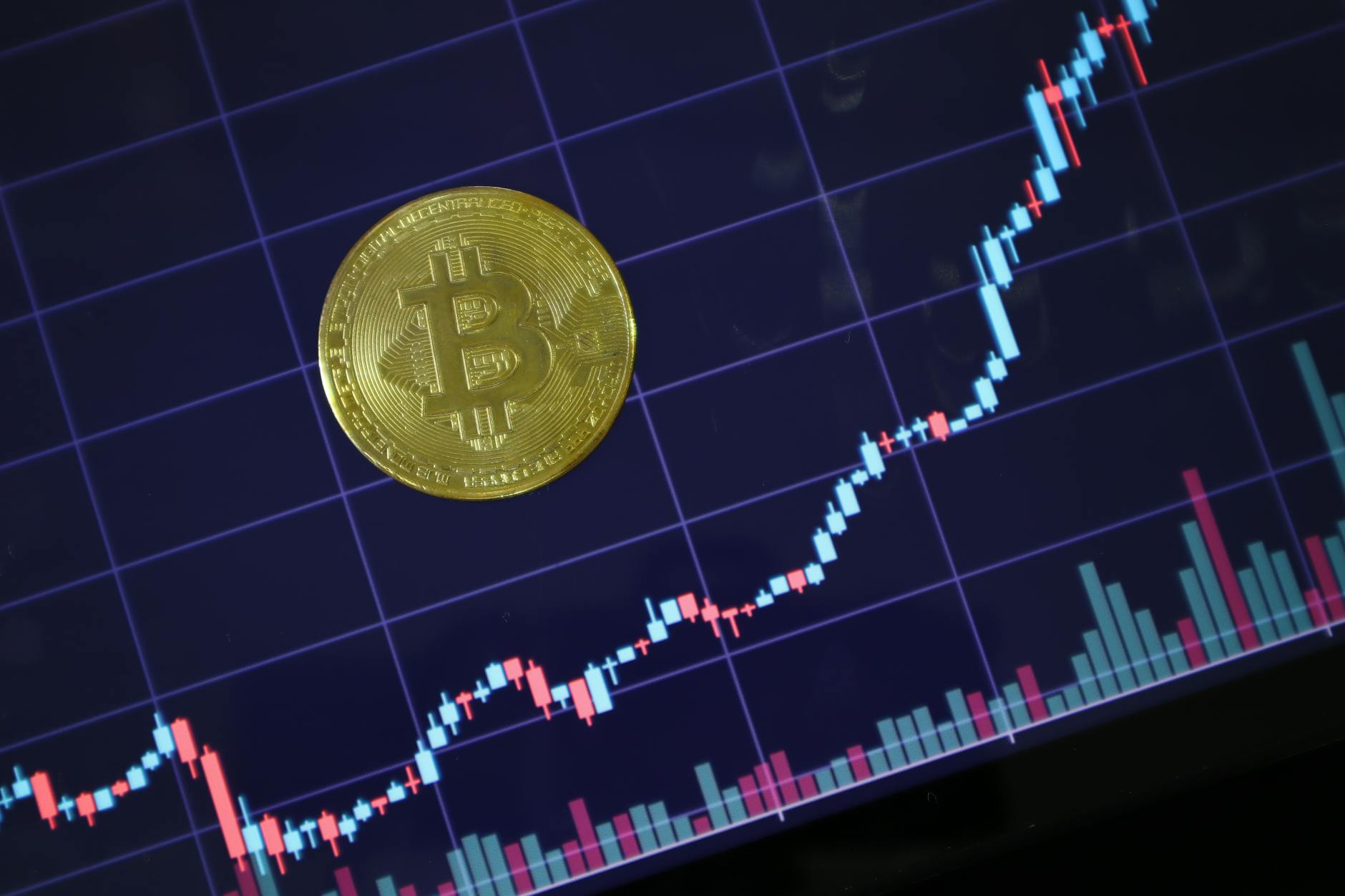
The Controversy and Regulatory Landscape
Despite the potential benefits, synthetic equity is not without its challenges and controversies. A significant point of contention revolves around the true nature of ownership. Critics argue that these tokens are not actual equity but rather ‘synthetic equity,’ meaning holders do not possess the same rights as traditional shareholders. This includes voting rights, which are typically tied to direct ownership of shares and are generally not transferable through tokens. This distinction became particularly relevant recently when the CEO of AMC Entertainment, Adam Aron, publicly criticized Robinhood’s stock tokens, calling them ‘synthetic equity’ and threatening legal action, emphasizing the difference between owning a token and owning actual stock.
The regulatory environment surrounding synthetic equity is also complex and rapidly evolving. Different jurisdictions are grappling with how to classify and oversee these instruments. In the UK, for example, a major retail investment platform, Hargreaves Lansdown, recently announced it would offer crypto Exchange Traded Notes (ETNs) after the Financial Conduct Authority (FCA) decided to lift its ban on retail crypto ETPs in October. This indicates a shifting regulatory stance in some regions, acknowledging the growing demand for digital asset investment products, but also highlighting the need for clear frameworks.
The U.S. Sheriff’s Association has also shown a nuanced approach to related legislation, such as the Clarity Act. Initially opposing it due to concerns about shielding crypto activities, the association later shifted its stance to ‘neutral.’ This reflects the ongoing dialogue and adjustments occurring between law enforcement, regulators, and the digital asset industry as they seek to balance innovation with consumer protection and market integrity. The FinCEN’s reports, linking significant crypto scams to overseas operations, further underscore the importance of robust regulatory oversight and international cooperation in combating illicit activities within the digital asset space.
Potential Use Cases and Future Implications
Beyond replicating stocks, the underlying technology of synthetic assets has broader applications. For example, Pineapple Financial is bringing $1 billion in mortgage records onto the Injective blockchain, turning historical loan files into blockchain-based records. This demonstrates how blockchain can be used to tokenize and manage real-world assets, creating more transparent and efficient systems. While not strictly synthetic equity, it showcases the potential for tokenization to revolutionize various financial sectors.
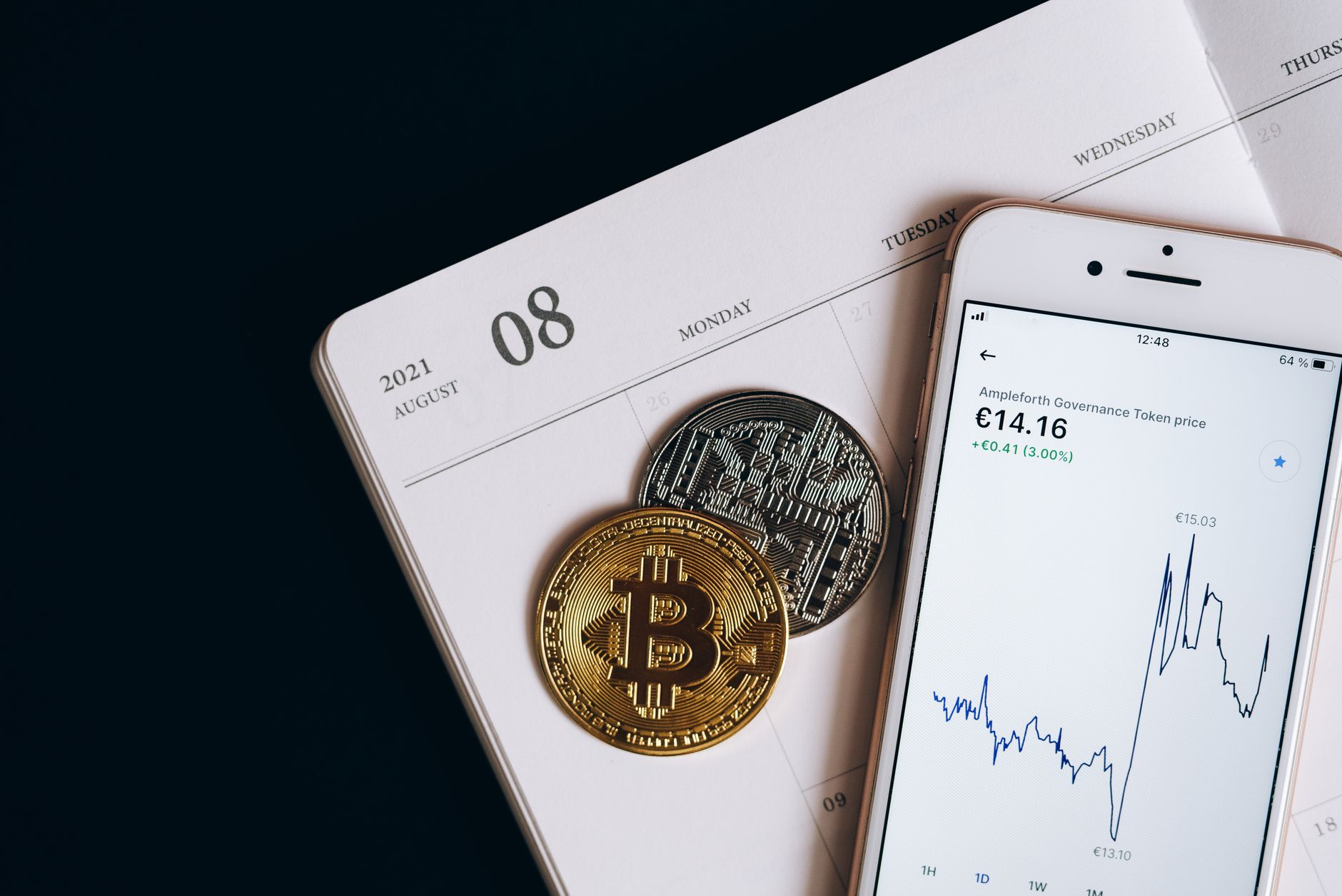
The future of synthetic equity will likely depend on how these regulatory challenges are addressed and how well the technology can provide true value and security to investors. If platforms can offer greater transparency, robust security, and clear legal frameworks, synthetic equity could become a significant bridge between traditional finance and the burgeoning digital asset economy. It could also pave the way for more sophisticated digital financial products, further blurring the lines between the physical and digital realms of investment.
Key Takeaways
- Synthetic equity refers to digital tokens that mimic the performance of underlying traditional assets like stocks.
- These tokens are often created using blockchain technology and derivative contracts.
- Key benefits include potentially increased accessibility and 24/7 trading.
- Significant controversies exist regarding the actual ownership rights and the ‘synthetic’ nature of these assets.
- The regulatory landscape is evolving, with different countries taking varied approaches.
- The development of synthetic equity highlights the ongoing integration of traditional finance and digital assets.
As the digital asset space continues to mature, understanding concepts like synthetic equity is becoming increasingly important. It represents a fascinating intersection of technology, finance, and regulation, offering a glimpse into the potential future of how we invest and own assets.
Disclaimer: This article is for informational purposes only and does not constitute financial advice. Investing in digital assets carries inherent risks. Always conduct your own research and consult with a qualified financial advisor before making any investment decisions.
Frequently Asked Questions
What is synthetic equity?
Synthetic equity refers to digital tokens or financial instruments designed to replicate the economic performance and price movements of an underlying traditional asset, such as a company’s stock, without direct ownership of that asset.
How does synthetic equity differ from owning actual stocks?
Owning actual stocks typically grants shareholders voting rights and direct ownership claims. Synthetic equity tokens usually do not confer these rights; they primarily track the price performance and potentially offer dividend-like payouts, but without the full legal standing of direct share ownership.

What are the potential benefits of synthetic equity?
Potential benefits include increased accessibility to global markets, especially for investors in regions with limited traditional financial infrastructure, and the ability to trade 24/7 outside of standard market hours.
What are the main controversies surrounding synthetic equity?
The primary controversies revolve around the lack of true ownership rights for token holders, the potential for regulatory ambiguity, and concerns that these instruments might be marketed in ways that obscure the differences from direct stock ownership.
Is synthetic equity regulated?
The regulatory status of synthetic equity is complex and varies by jurisdiction. Regulators worldwide are actively developing frameworks to oversee these innovative financial products, aiming to balance market innovation with investor protection.
Conclusion
We hope this article has been helpful. Feel free to leave a comment below if you have questions.