Navigating the Unseen: The Bitcoin Futures Liquidity Challenge
While the price of Bitcoin often grabs headlines, the underlying mechanisms that influence its market can be far more subtle, yet profoundly impactful. One such area, often overlooked by the casual observer, is the dynamics of the Bitcoin futures market. Recent observations suggest a potentially concerning trend: a significant divergence between open interest and trading volume, creating what analysts describe as a ‘crowded club with a tiny exit.’ This article delves into the hidden facts of this liquidity mismatch, exploring what it means for Bitcoin traders and the broader cryptocurrency ecosystem.
Understanding Futures Markets and Open Interest
Before diving into the current situation, it’s essential to grasp the basics of futures markets. A futures contract is an agreement to buy or sell an asset at a predetermined price on a specific future date. The open interest in a futures market represents the total number of outstanding derivative contracts that have not been settled. It’s a measure of the capital committed to these contracts.
In a healthy, liquid market, there’s a robust flow of both buyers and sellers. High trading volume ensures that contracts can be easily entered into and exited without significantly impacting the price. Open interest, while important, typically moves in tandem with trading volume. When open interest grows substantially faster than trading volume, it suggests that more capital is entering the market and staying there, but the ease with which those positions can be closed out is diminishing.
The Emerging Liquidity Mismatch in Bitcoin Futures
The current situation in the Bitcoin futures market, as highlighted by market observers, points to open interest outpacing trading volume by a considerable margin. This indicates that while a large number of contracts are held by traders, the actual daily trading activity used to enter or exit these positions is relatively lower. Think of it like a popular concert venue where many people hold tickets (high open interest), but only a few are actively buying or selling tickets at the door on any given night (low trading volume).
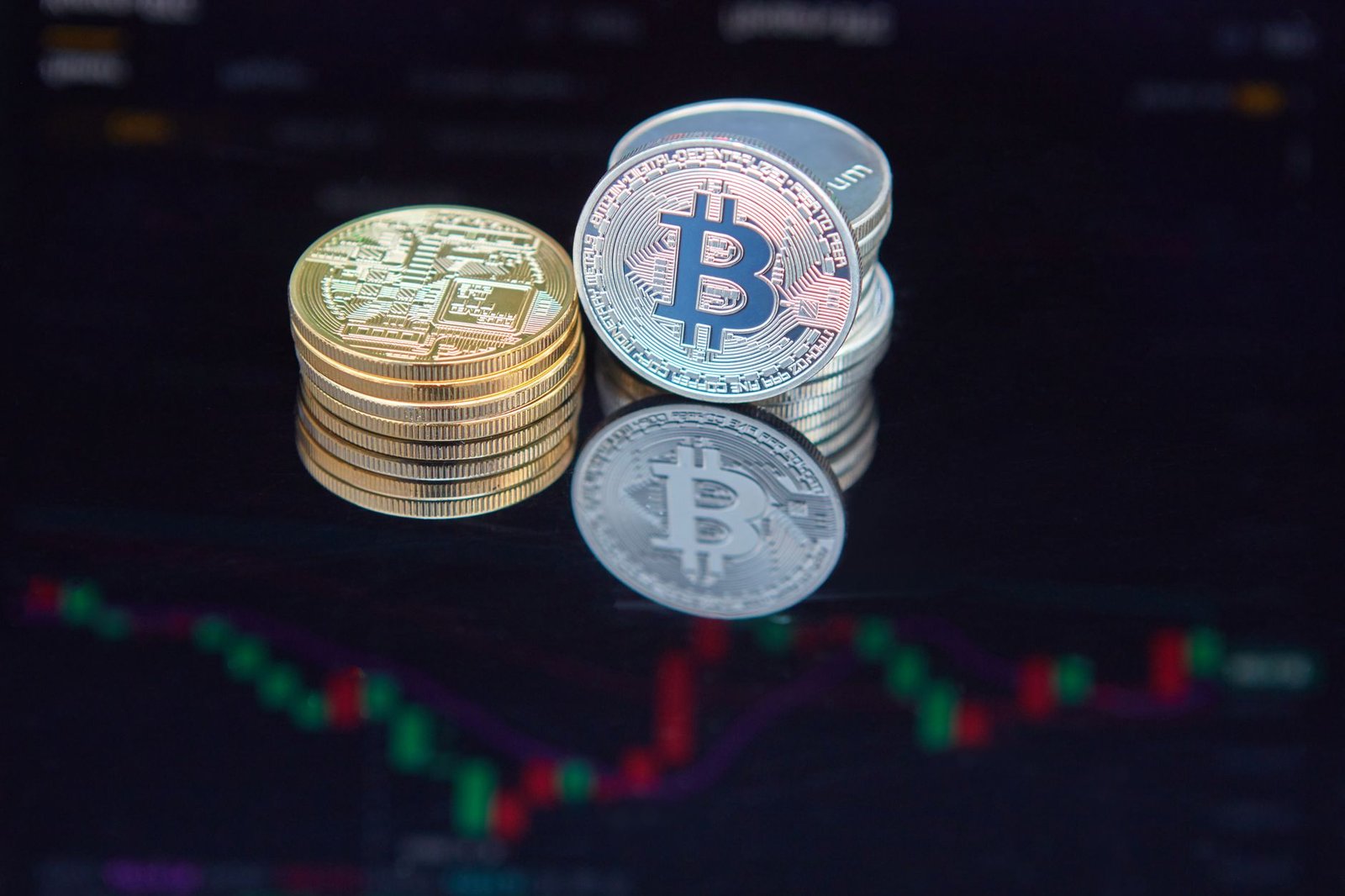
This imbalance can create a ‘liquidity crunch’ or a ‘crowded exit’ scenario. If a large number of traders decide to exit their positions simultaneously – perhaps due to a market downturn, a regulatory announcement, or a shift in sentiment – there may not be enough buyers readily available to absorb these sell orders at current prices. This can lead to rapid and severe price drops as sellers are forced to accept lower and lower prices to find counterparties.
Why This Matters for Bitcoin Price
The Bitcoin futures market doesn’t operate in isolation. It has a significant influence on the spot market (where Bitcoin is traded directly) through various mechanisms, including arbitrage and price discovery. When liquidity is thin in the futures market, any large-scale liquidation event can have amplified ripple effects on Bitcoin’s spot price.
For instance, if many futures contracts are being sold off due to a lack of buyers, this selling pressure can force traders to unwind their corresponding positions in the spot market to hedge their risk or meet margin calls. This dual selling pressure from both the futures and spot markets can exacerbate price declines, leading to increased volatility.
Factors Contributing to the Mismatch
Several factors could be contributing to this growing liquidity imbalance:
- Increased Institutional Interest: The rise of Bitcoin ETFs and growing institutional adoption, as seen with recent positive flows into US spot ETFs, suggests more capital is being deployed. However, this capital might be taking longer-term positions, increasing open interest without necessarily driving day-to-day trading volume.
- Market Expectations: Traders might be holding positions in anticipation of future price movements, such as potential interest rate changes. For example, news suggesting a September Fed interest-rate increase is ‘very unlikely’ (as of August 17, 2026) can influence long-term positioning, boosting open interest.
- Reduced Market Maker Activity: In some market conditions, market makers, who provide liquidity by placing buy and sell orders, might reduce their activity if they perceive higher risks or lower profit margins, further constricting liquidity.
- Concentration of Holdings: If a large portion of open interest is concentrated in a few large hands, it can make the market more susceptible to shocks if those large holders decide to move their positions.
Potential Consequences and Risk Mitigation
The primary consequence of a liquidity squeeze is heightened price volatility. Unexpected price swings can catch traders off guard, leading to significant losses, especially for those using leverage. The risk is amplified for positions that are already under pressure.

For traders and investors, understanding this dynamic is crucial for risk management. It underscores the importance of:
- Position Sizing: Keeping position sizes appropriate to the available liquidity can help mitigate the impact of price slippage.
- Stop-Loss Orders: Strategically placed stop-loss orders can help limit potential losses, although in a fast-moving, illiquid market, they may not always execute at the desired price.
- Diversification: Avoiding over-concentration in any single asset or market segment is a fundamental principle of risk management.
- Monitoring Market Indicators: Keeping an eye on metrics like open interest relative to trading volume, funding rates, and overall market sentiment can provide early warnings of potential liquidity issues.
The Broader Financial Context
It’s also worth noting how these dynamics interact with the broader financial world. Factors like interest rate policies, as mentioned, directly influence capital flows into riskier assets like cryptocurrencies. While a less likely September Fed rate hike might be seen as positive for Bitcoin bulls, the underlying market structure, including liquidity, remains a critical consideration. The performance of assets like BERA, which saw significant valuation losses in its treasury (as of Q2 2026), serves as a reminder of the inherent volatility and valuation challenges within digital asset markets.
Conclusion: Vigilance in a Shifting Market
The Bitcoin futures market is a complex ecosystem where liquidity is a vital, yet often unseen, component. The current trend of rising open interest outpacing trading volume presents a hidden risk of amplified volatility and potential liquidity crunches. By understanding these dynamics, traders and investors can better navigate the cryptocurrency markets, implement more robust risk management strategies, and approach their investment decisions with greater awareness of the underlying forces at play. This is not financial advice, but an informational overview of market mechanics.
Frequently Asked Questions
What is open interest in Bitcoin futures?
Open interest in Bitcoin futures refers to the total number of outstanding futures contracts that have not yet been closed or settled. It represents the total capital committed to these contracts.

What causes a liquidity mismatch in futures markets?
A liquidity mismatch occurs when open interest grows significantly faster than trading volume. This means more contracts are held, but fewer are actively traded daily, making it harder to enter or exit positions without affecting the price.
How does futures market liquidity affect Bitcoin's spot price?
A lack of liquidity in the futures market can lead to increased price volatility. If many traders try to exit positions at once, it can cause sharp price drops in futures, which can then spill over into the spot market as traders hedge their positions.
Are there any specific risks associated with high open interest and low volume?
Yes, the primary risk is a ‘liquidity squeeze’ or ‘crowded exit.’ If a large number of traders attempt to sell simultaneously, there may not be enough buyers, leading to rapid price declines and potential liquidation cascades.
What are some strategies to manage risk in a potentially illiquid futures market?
Strategies include careful position sizing, using stop-loss orders (with awareness of potential slippage), diversifying holdings, and actively monitoring market indicators like open interest relative to volume and funding rates.